Complex board failure diagnosis
Those are five-minute checks anyone can do. Past that, we'd tell most Parkland homeowners to stop. A 2005-era logic board isn't something you diagnose by guessing - the failure modes overlap.
Parkland, Delray Beach
Parkland's homes went up mostly after 2005, so most openers on the road are original units nearing 20 years old. We diagnose and fix them, traveling from Delray Beach.
Local causes
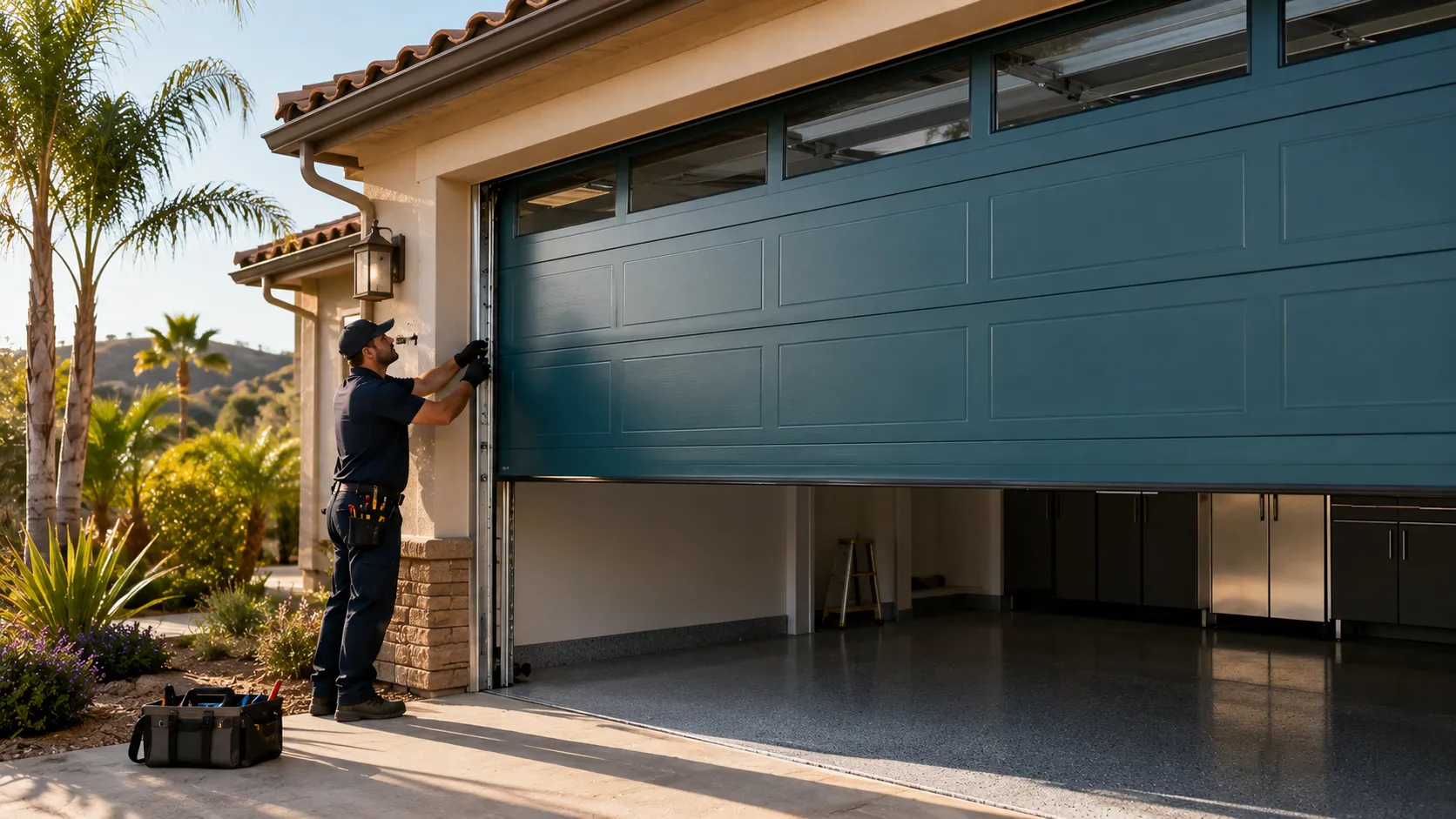
Parkland's median home dates to 2005, which puts it at the newer end of the whole service area's build range of 1965 to 2005. That matters more than it sounds like it should. A house built in 2005 almost never had its garage door opener swapped out since - there was no reason to. The unit that came with the house, whatever chain-drive or early belt-drive model the builder speced, is very likely still bolted to the ceiling right now. That means logic boards from the mid-2000s, before most manufacturers standardized rolling-code security and before photo-eye sensors got as reliable as they are today. Those boards don't fail dramatically. They fail in small ways first - a remote that works from the driveway but not the street, a wall button that needs two presses, a light that won't turn off. By the time the opener won't run at all, the board's usually been degrading for a year or more. Parkland only has 10,828 households, a small slice of the roughly 69,643 owner-occupied houses across the wider area we cover, but a large share of them share this same age profile, which is unusual - most towns we work in have a much wider spread of build years.
DIY or pro
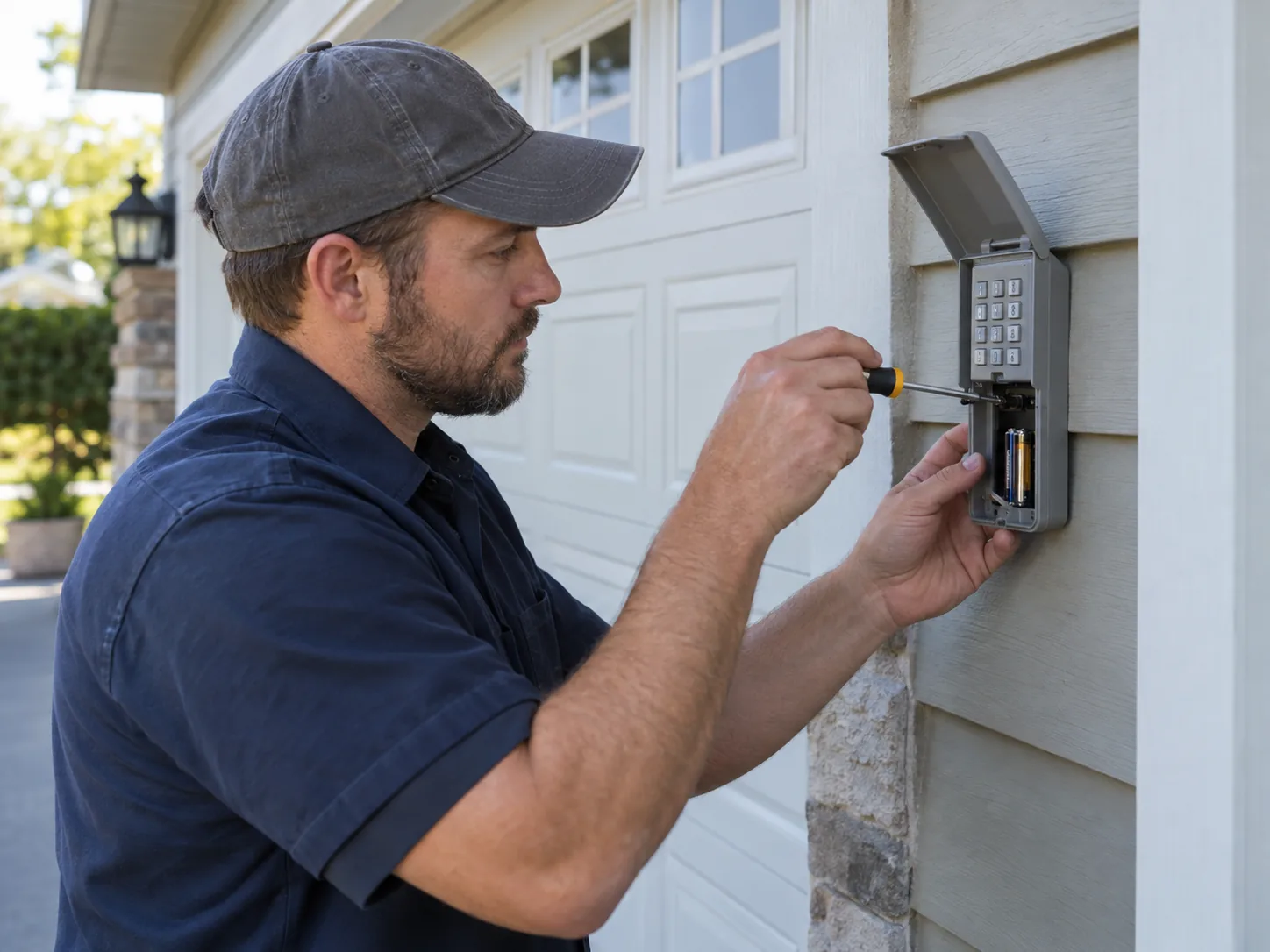
If your opener won't respond to the remote or the wall button, check the obvious first: is the unit plugged in, has the outlet tripped, is the wall switch actually a light switch you're pressing by mistake.
Those are five-minute checks anyone can do. Past that, we'd tell most Parkland homeowners to stop. A 2005-era logic board isn't something you diagnose by guessing - the failure modes overlap.
A dead capacitor looks the same from the outside as a burnt-out circuit trace or a failing transformer. Swapping parts on a hunch on a board this old usually means buying the wrong part twice.
If the opener runs but the door doesn't move smoothly, that's more likely spring or track and not the opener at all - worth knowing before you spend money on the wrong system.
Job timing
A straightforward opener repair - a bad capacitor, a dead sensor, a logic board swap - usually runs under an hour once the truck's on site, since we come from Delray Beach and travel with common parts already loaded. What takes longer in Parkland specifically is diagnosis on units that have never had any service history. A 2005 opener with no repair record means we're starting from zero on what's actually wrong, not confirming a known issue. We'd rather spend the extra fifteen minutes testing before we replace a part than swap the first thing that looks worn.
Watch-outs
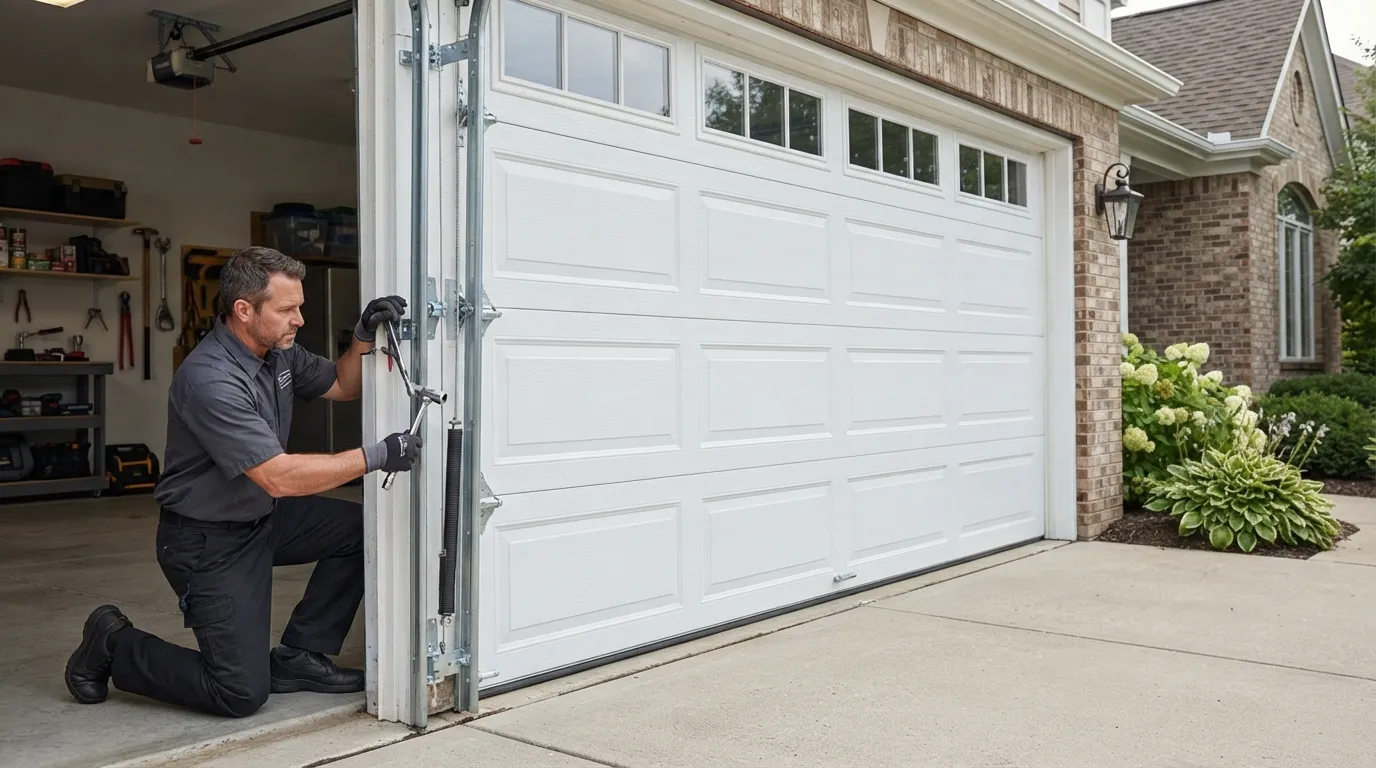
The mistake we see most in homes this age is treating a slow, straining opener as an opener problem when it's actually a spring problem. A torsion spring loses tension gradually over 15-20 years, and an opener motor will keep trying to compensate - working harder, running hotter, wearing its gears down faster - until it finally burns out. If your opener from 2005 just died, the spring underneath it is roughly the same age and hasn't been touched either. Replacing the opener and leaving a tired spring in place just means the new motor starts the same slow decline on day one.
The repair
Once we've confirmed it's the opener and not the door hardware, the fix depends on what's actually failed.
A dead safety sensor gets a new photo-eye pair and a re-align, usually the fastest fix there is. A bad capacitor or transformer gets swapped and tested under load. If the logic board itself has failed - which is common on units this age - we replace the head unit rather than chase a part for a board that manufacturers may no longer support at this age.
We don't push full opener replacement on a working unit just because it's old; if the motor's sound and the fix is a $30 part, that's the job we do.
On the truck
Because most opener failures in a build-year cluster like Parkland's tend to be the same handful of things - sensors, capacitors, circuit boards, drive belts - we carry the common replacement parts for openers from this era on the truck. It saves a second trip for the routine failures. What we don't stock is every proprietary board for every discontinued model; on rarer units that can mean a short wait on a part, and we'll tell you that up front rather than guess at a timeline.
Questions
Very likely, yes. Most homes in Parkland went up around that year, and openers rarely get replaced unless they fail outright. If yours has never been serviced, assume it's the builder-installed unit and budget for the possibility that parts inside it are near end of life.
No. We're based in Delray Beach and travel to Parkland, about 14 miles away, for opener repair jobs. There's no local depot, but the drive doesn't change how we diagnose or fix the unit once we're on site.
Intermittent failures on units this age usually point to a degrading logic board or a loose wire connection rather than a total part failure. It's the kind of fault that gets worse gradually, not all at once, so it's worth having looked at before it strands the door open or shut.
Not automatically. If the motor runs quiet and strong and the failure is a sensor or capacitor, a targeted repair is the cheaper and faster call. Full replacement makes sense when the drive mechanism itself is worn or the board is failed and unsupported.
Explore more
Ready when you are
Delray Beach Garage Door Pros repairs and installs garage doors, springs and openers in Delray Beach, FL and the surrounding area.