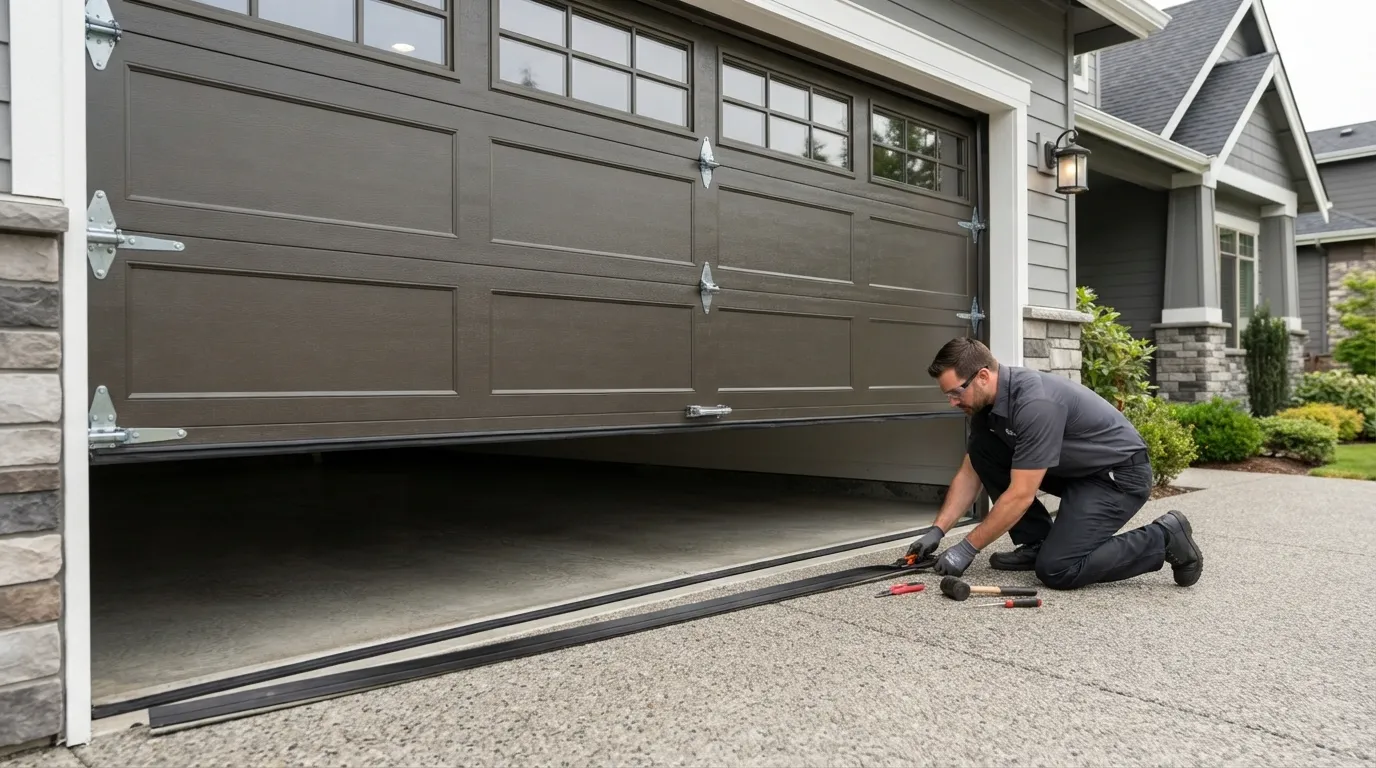
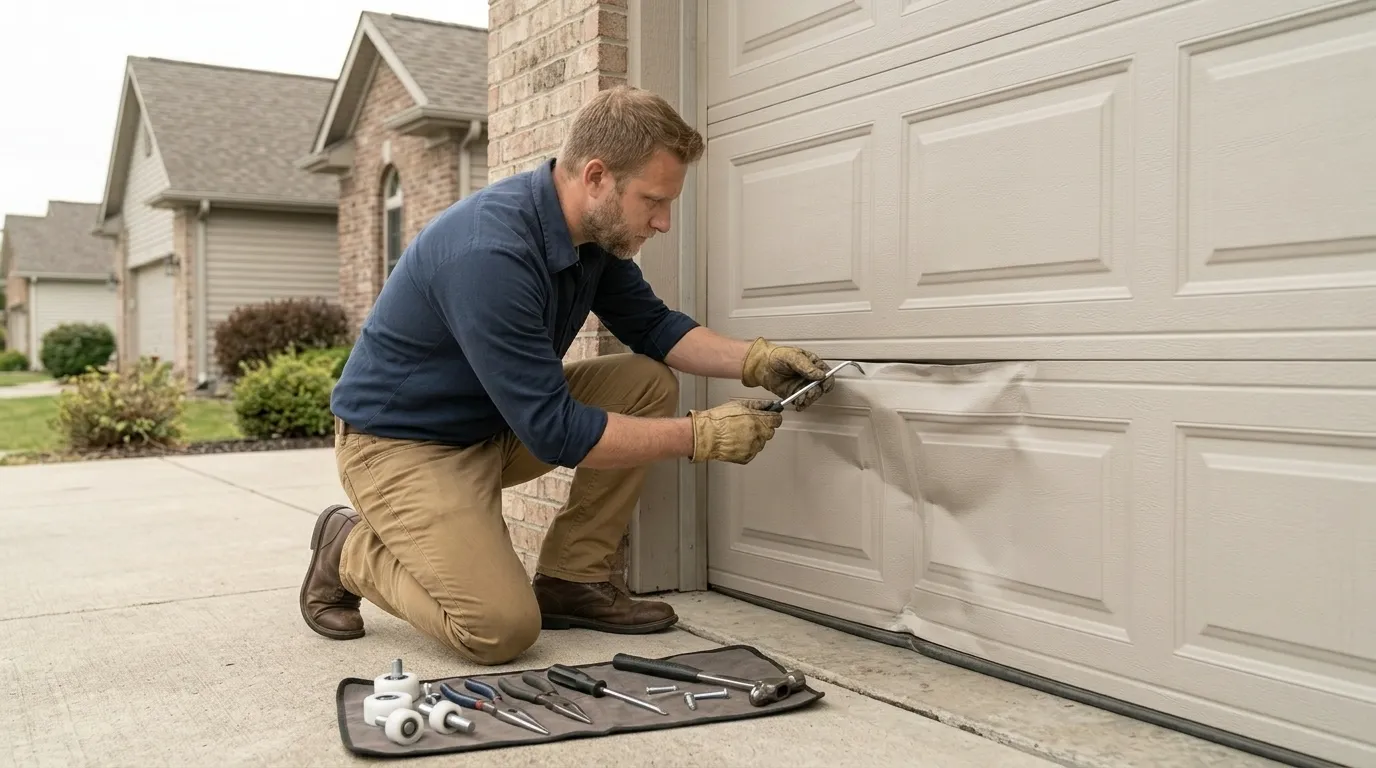
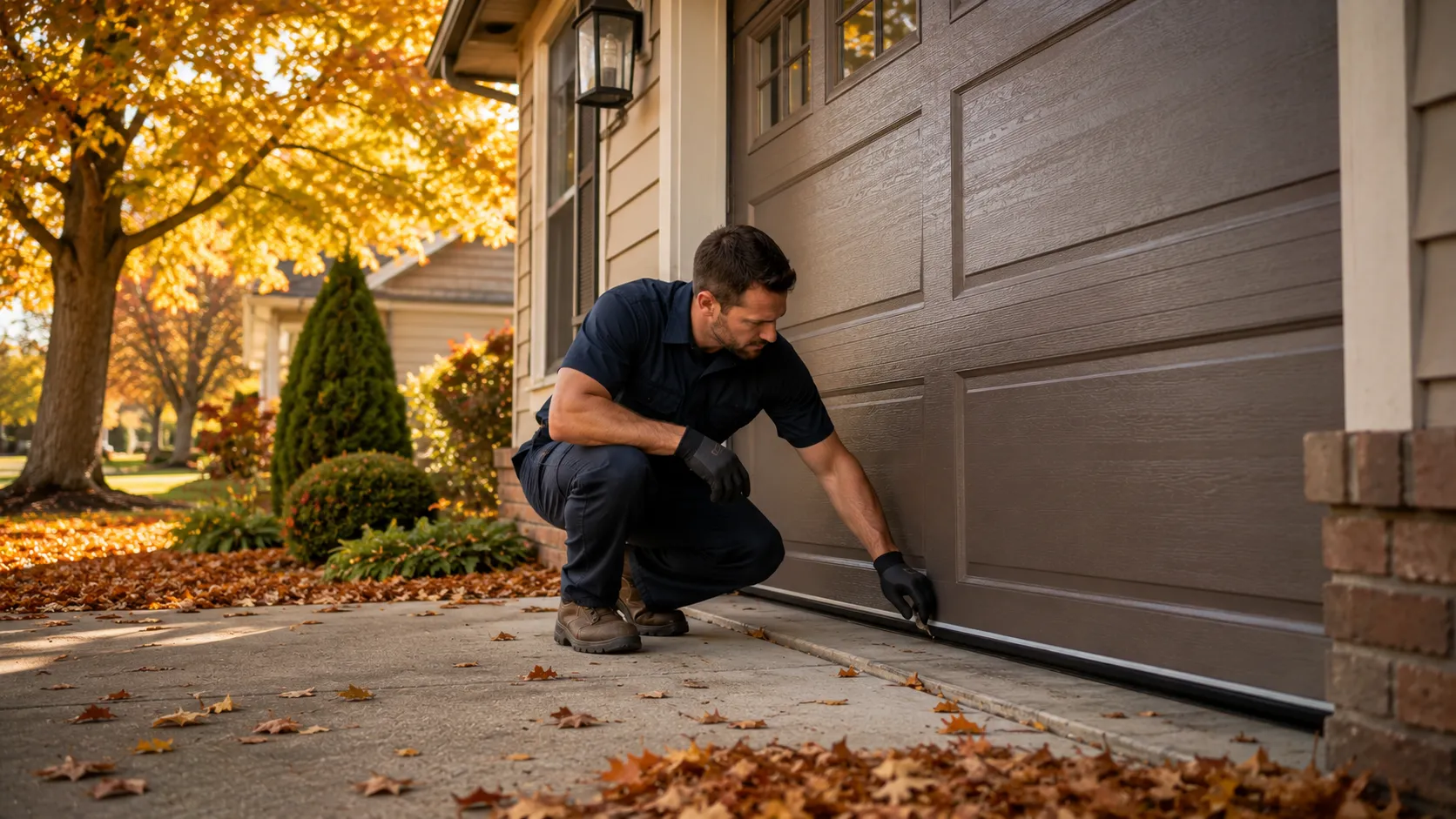
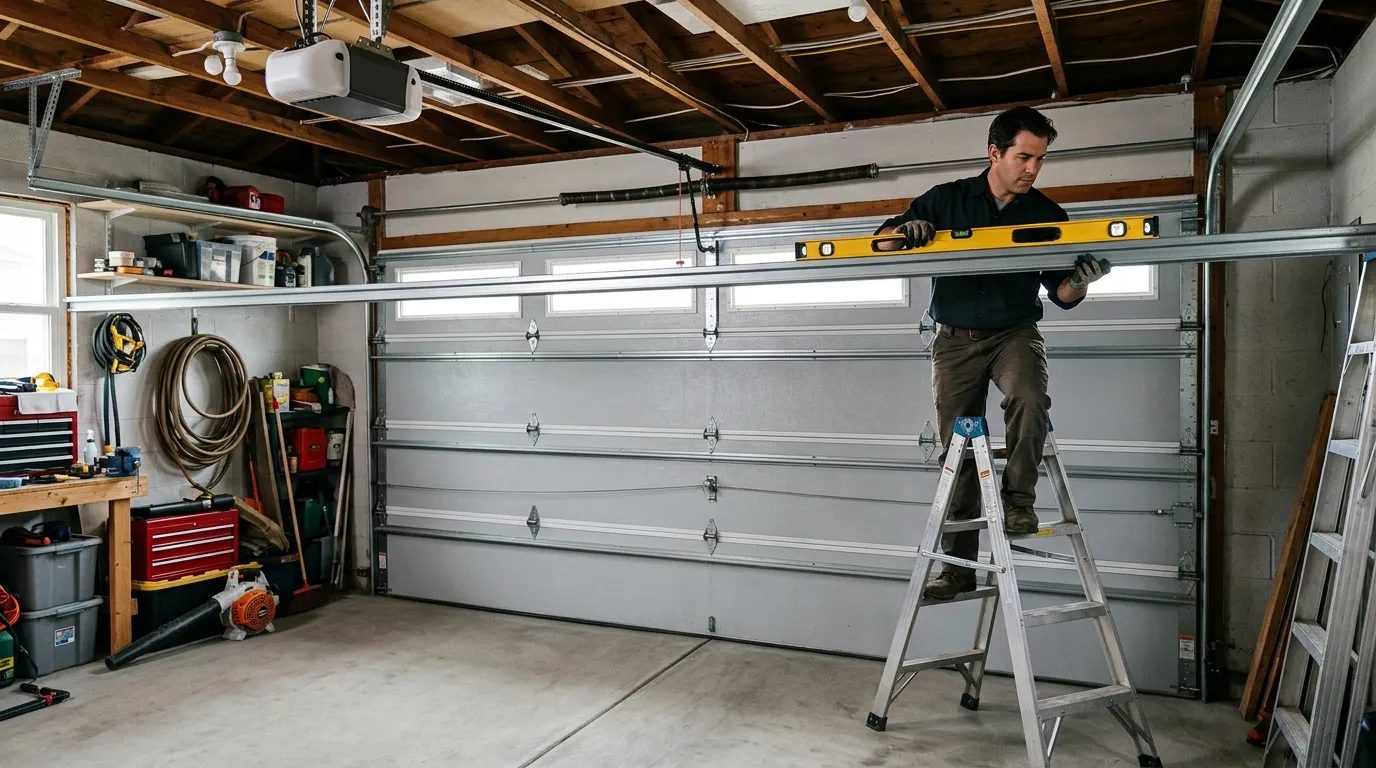
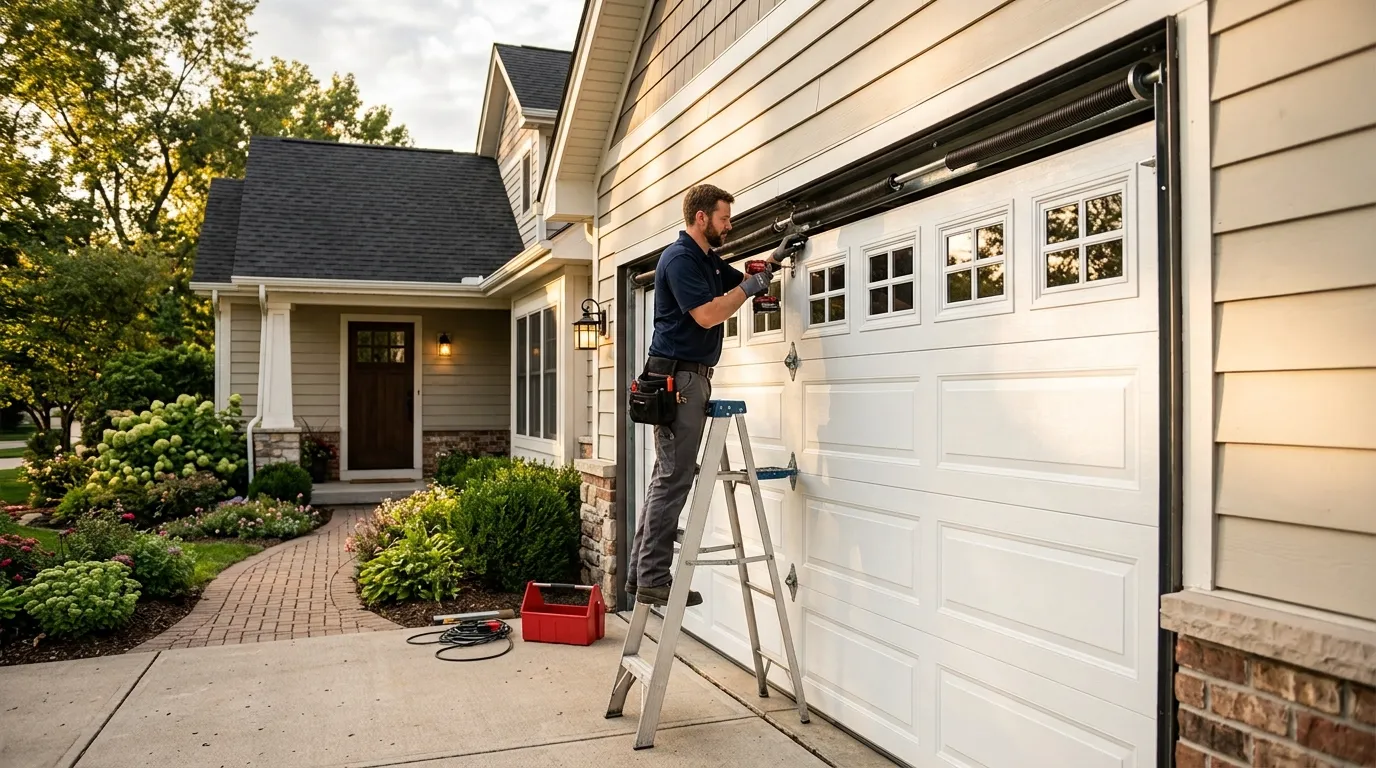
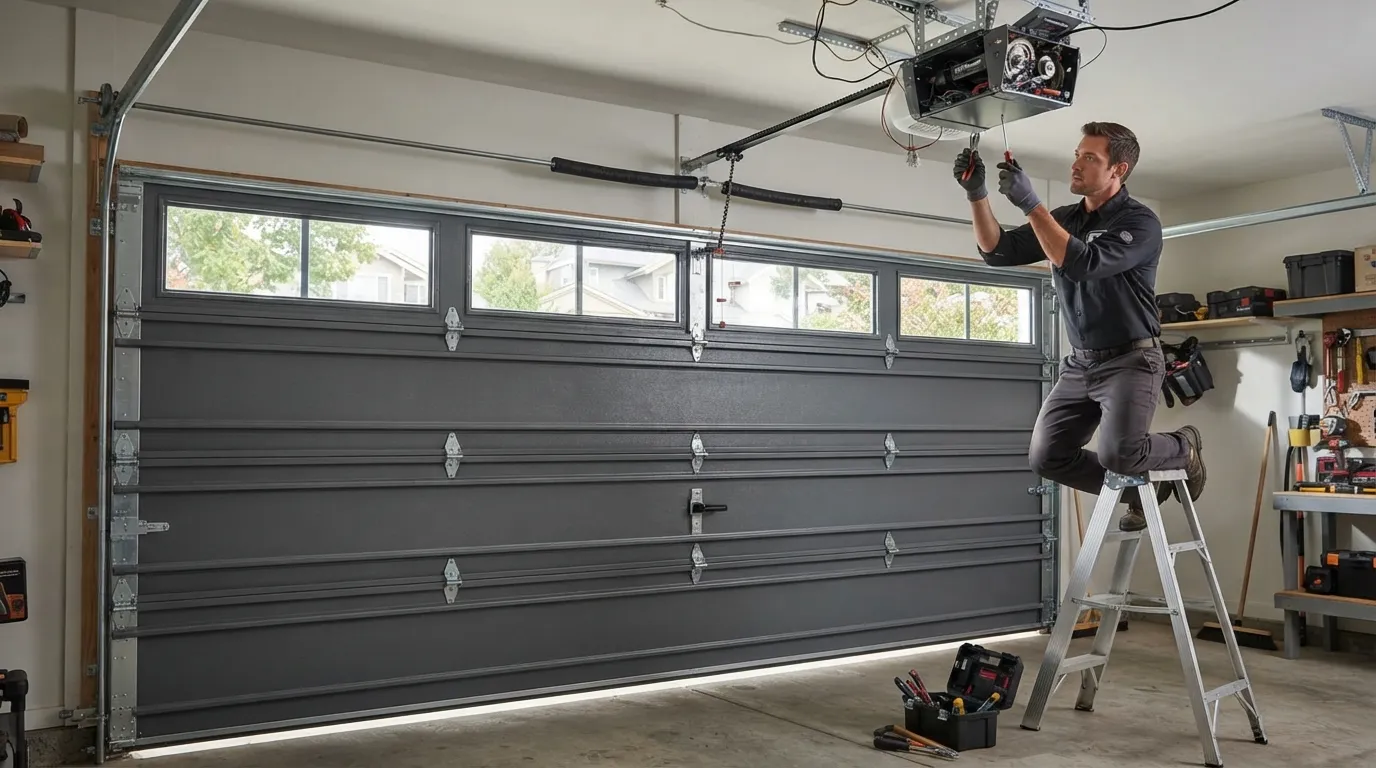
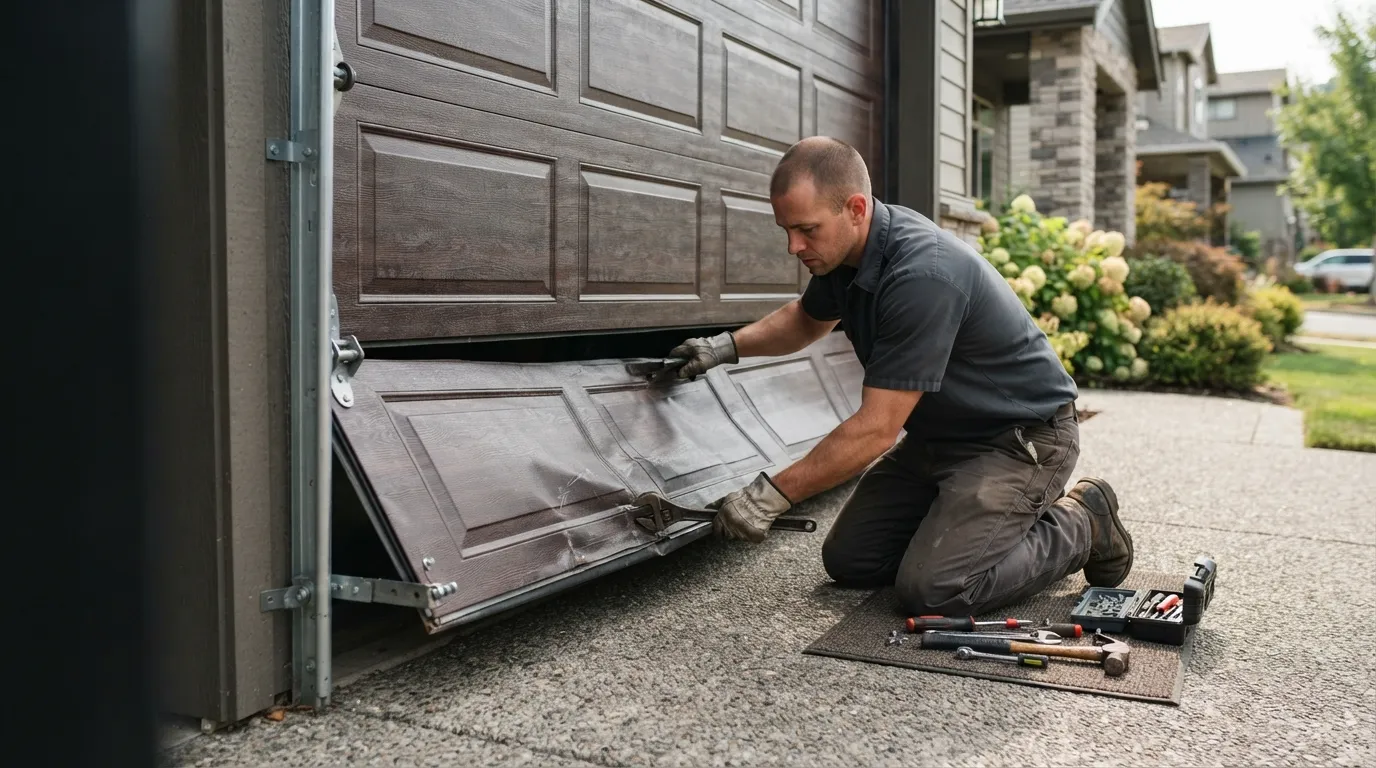
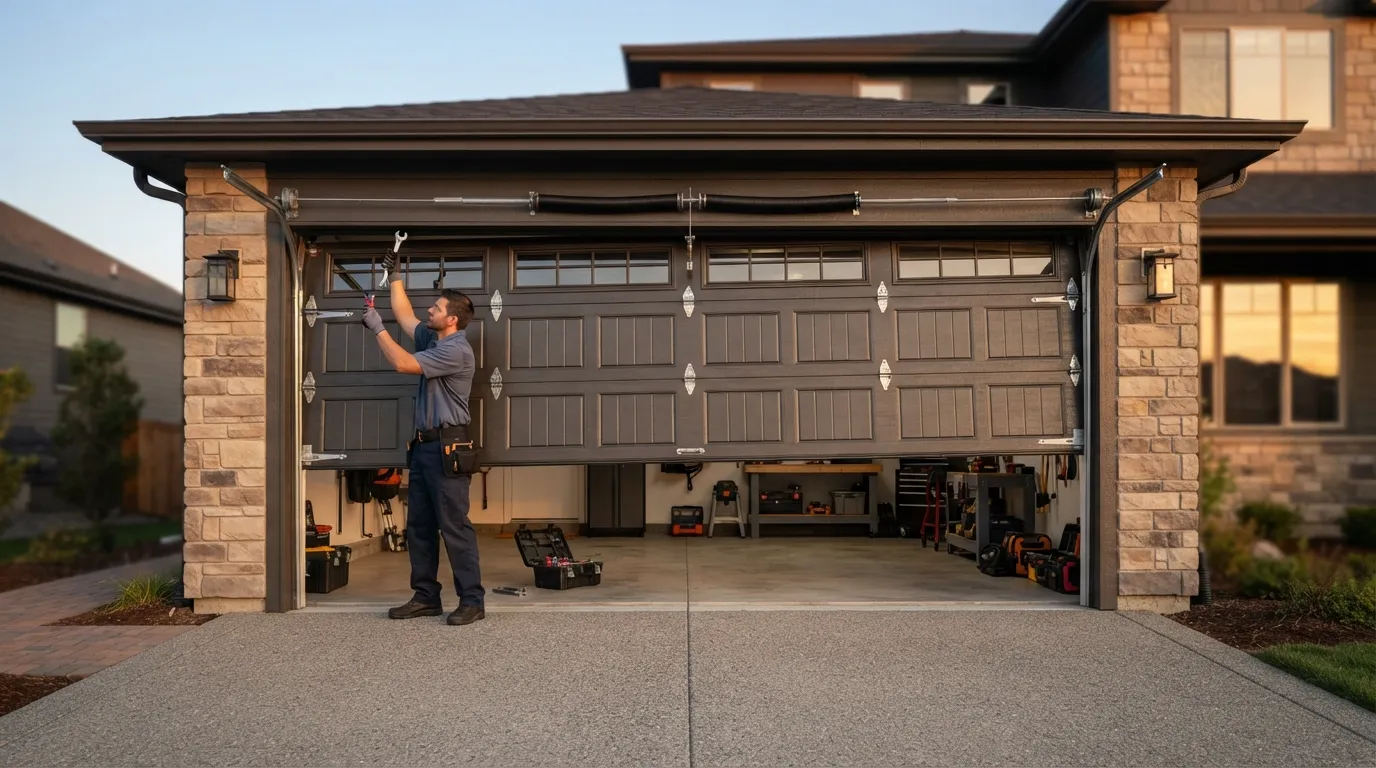
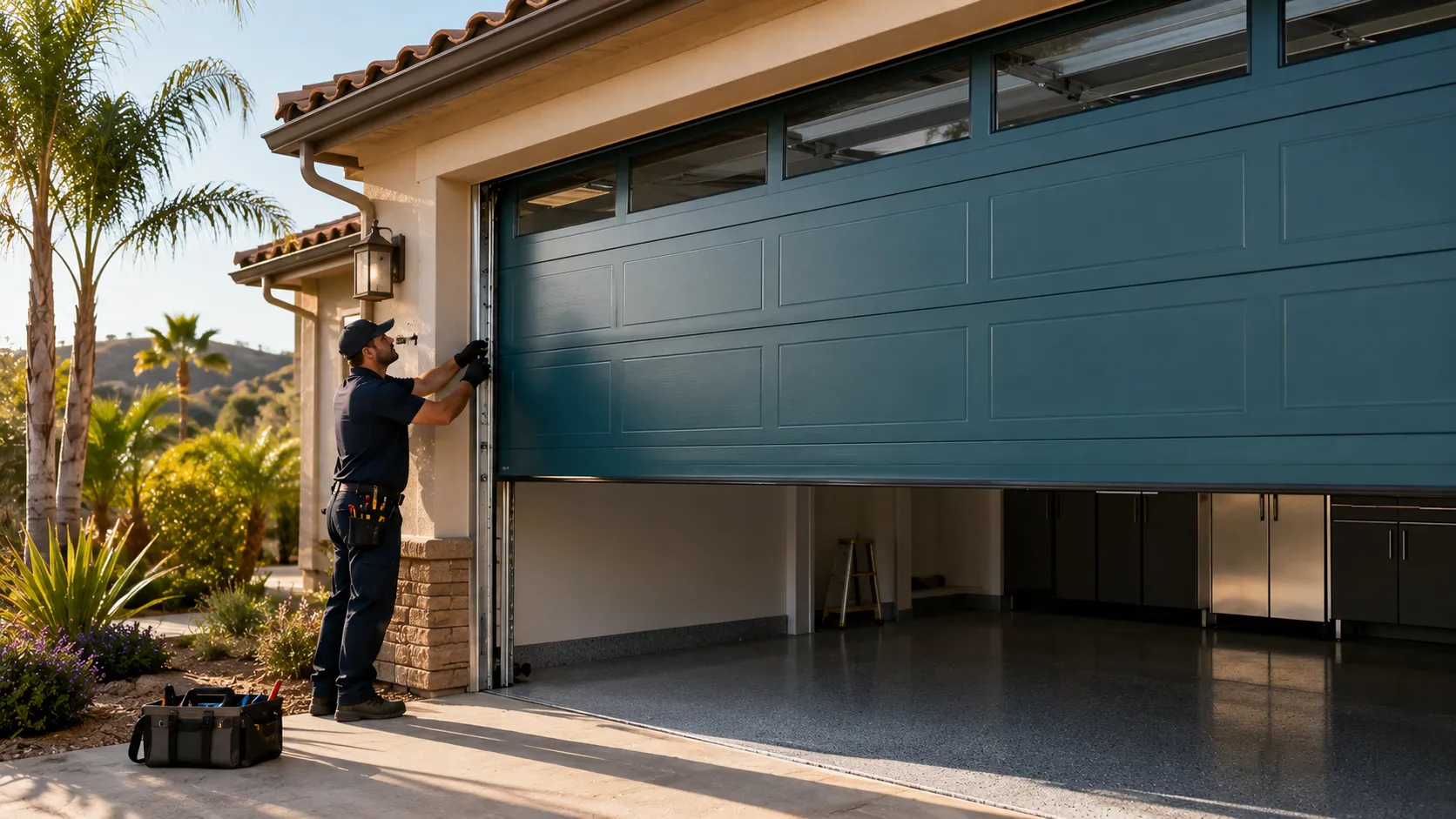
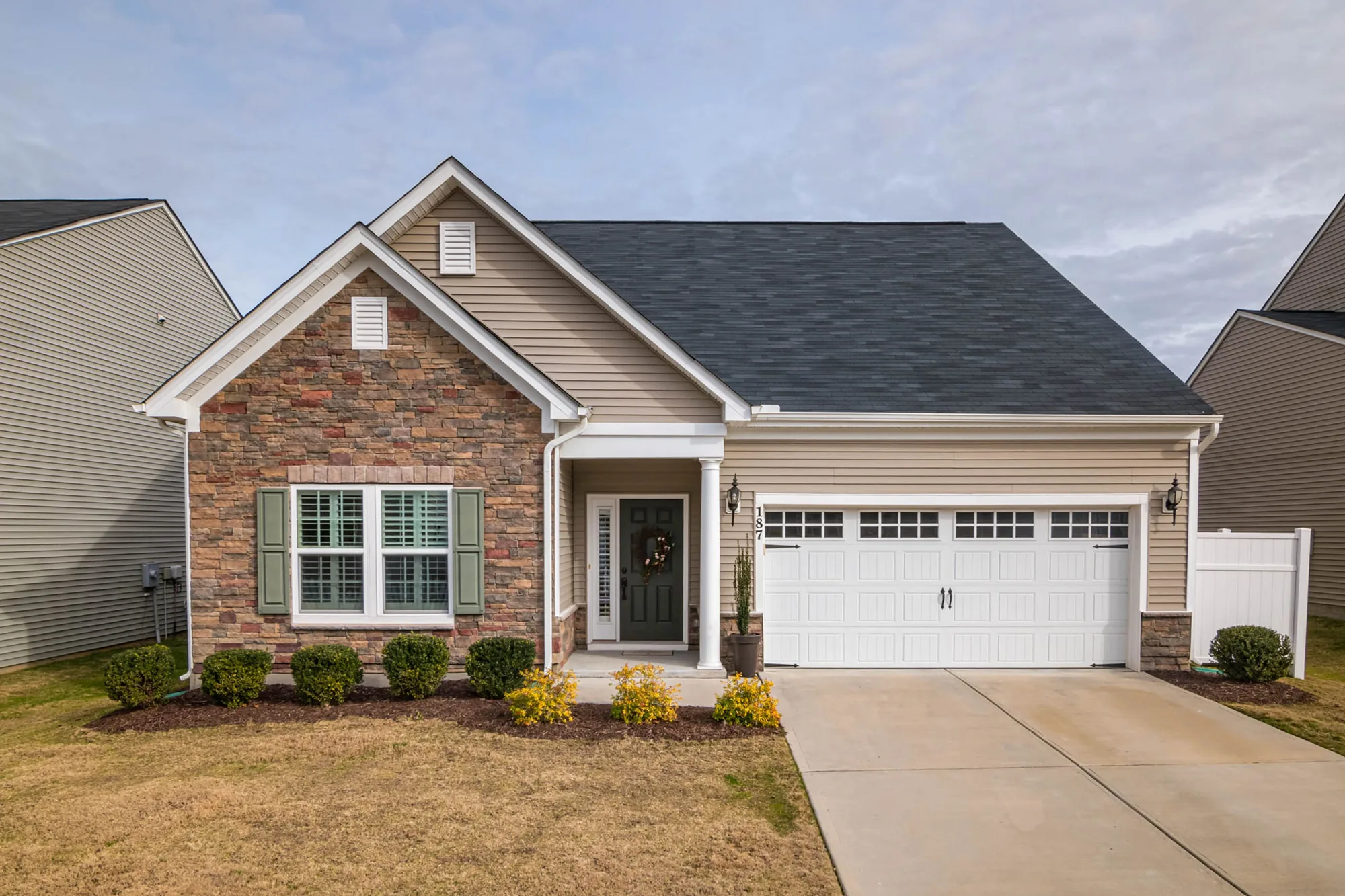
On the original-era doors, the most common calls are worn rollers, sagging bottom panels, and extension springs that have simply outlasted their rated cycle count. Those springs are cheap and simple, but they're also the ones most likely to snap without warning on a door that's been quietly rusting for twenty years. On the newer torsion-spring doors, we see more opener-side failures - drive gears, capacitors, safety sensors that have drifted out of alignment. Given the income profile here, we get a fair number of calls asking whether a repair is worth it versus letting the whole door go, and that's a real question worth asking before you spend money on a 1970s door that's already had one spring replaced and is showing rust at the bottom panel. Sometimes the honest answer is fix it, sometimes it's not - we won't just push a new door because it's an easier sale.