
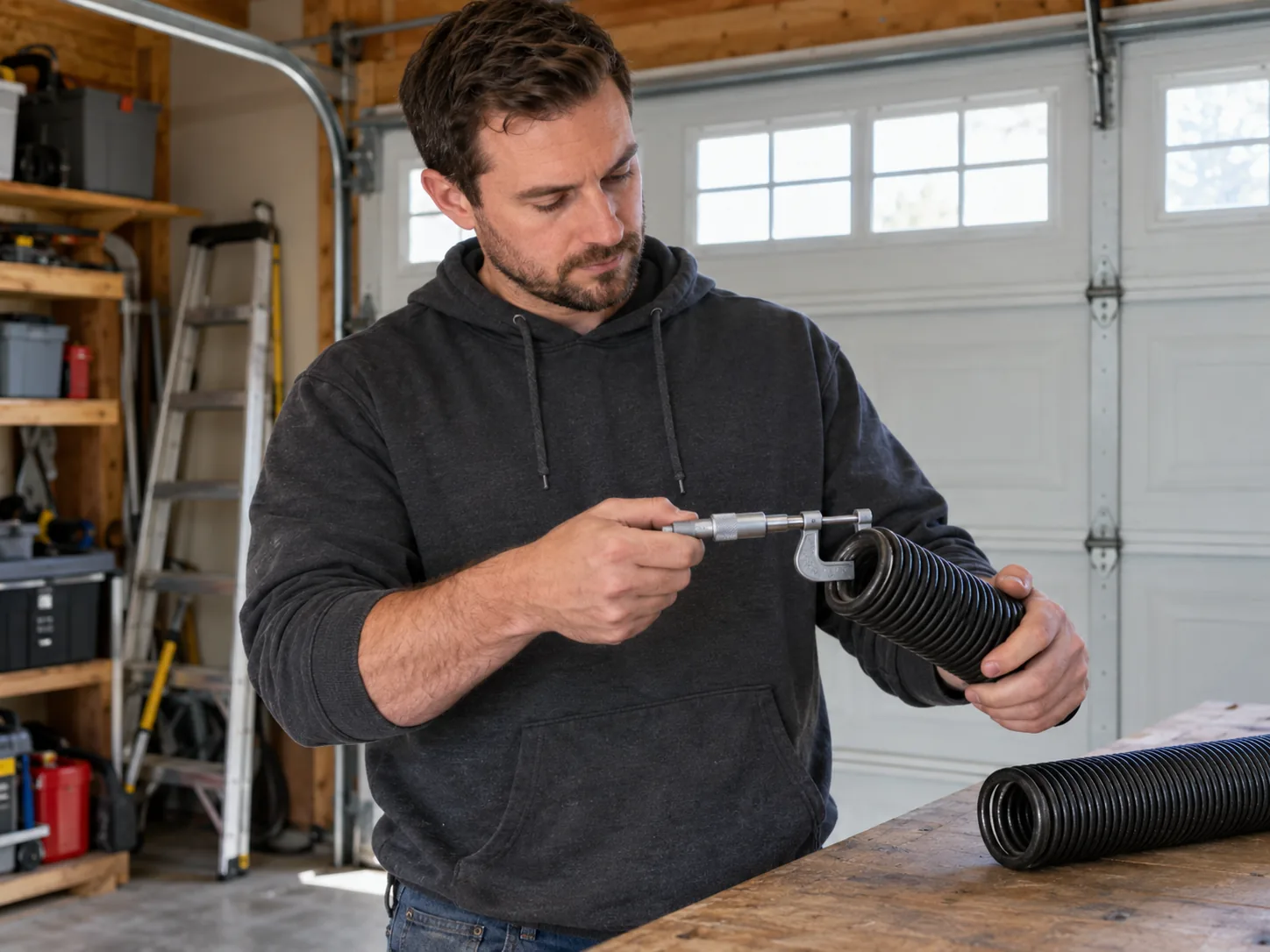
Extension spring identification
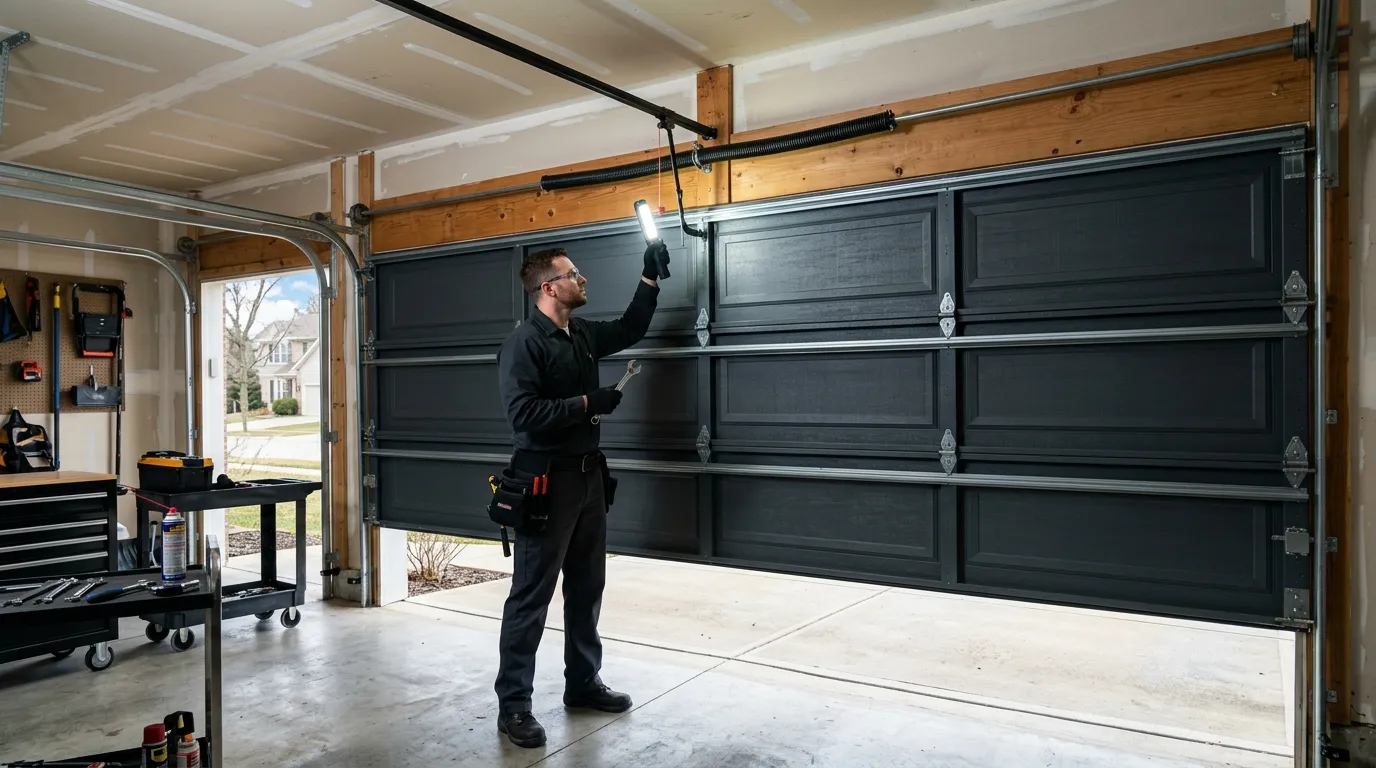
Some houses still have the older extension-spring setup along the horizontal track instead of a torsion bar over the header, which is a giveaway for original 1970s hardware that's never been touched.
Oakland Park, Delray Beach
Oakland Park homes mostly date to 1972, which means original single-panel doors and dated track hardware. Delray Beach Garage Door Pros installs modern doors sized to fit.
The repair
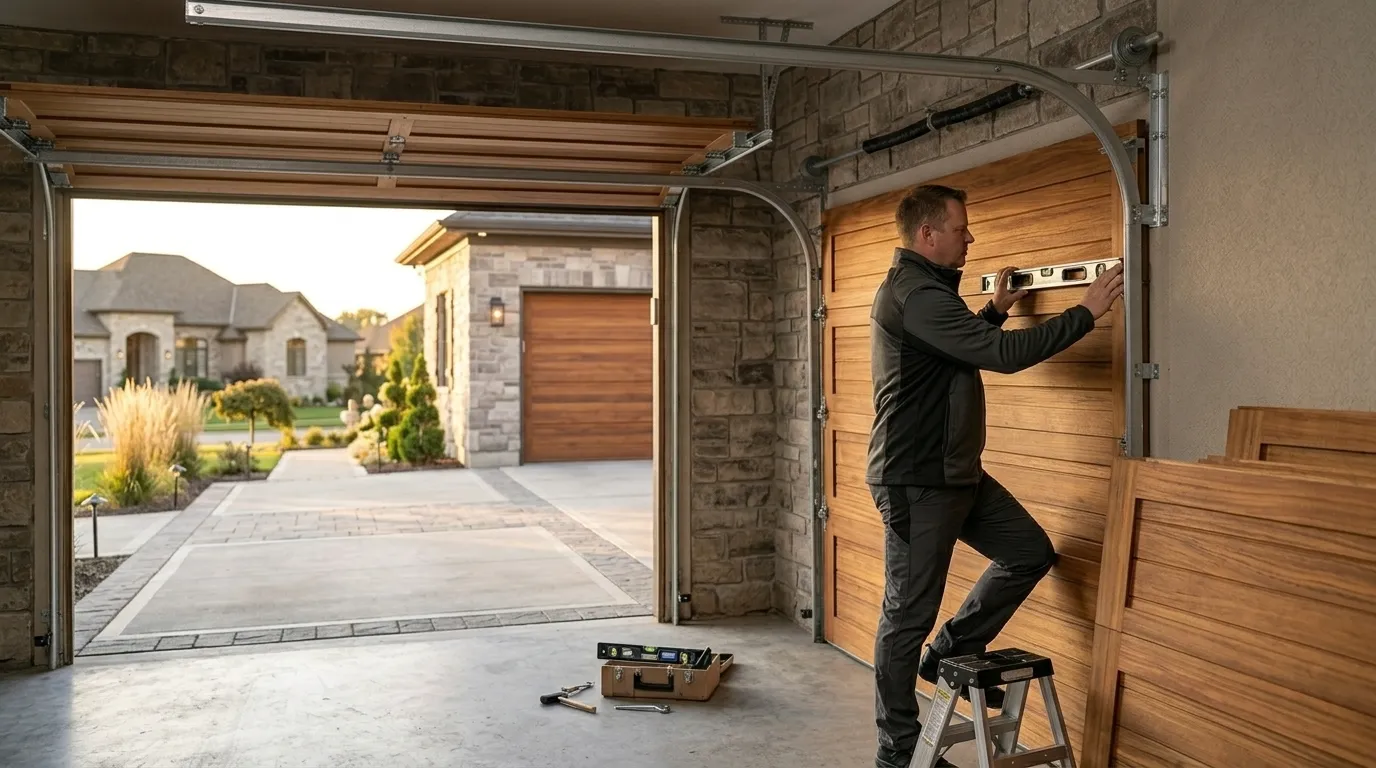
The fault we run into most in Oakland Park is a door that was never meant to last this long. Median year built here is 1972, which puts a lot of these houses at the tail end of the single-panel steel door era, or the earliest run of sectional doors before track widths and spring sizing settled into what's standard today.
When a homeowner calls about a new install, half the job is swapping the door itself and half is bringing the frame opening, track, and header up to what a current door actually needs - because the rough opening on a 1972 house rarely matches a 2024 door spec exactly.
That mismatch is the real work. A new door slab is the easy part of the order. Getting the vertical track plumb against a jamb that's shifted a half inch over fifty years, or re-hanging a header bracket that was sized for a lighter door than what's sold now, is where the labor actually goes.
We measure the opening before we quote, not after we show up with a door that doesn't fit. We travel to Oakland Park from our shop in Delray Beach, about 20 miles south, so we build the install as one full visit - measure, order the right door, come back and set it once the door's in.
Warning signs
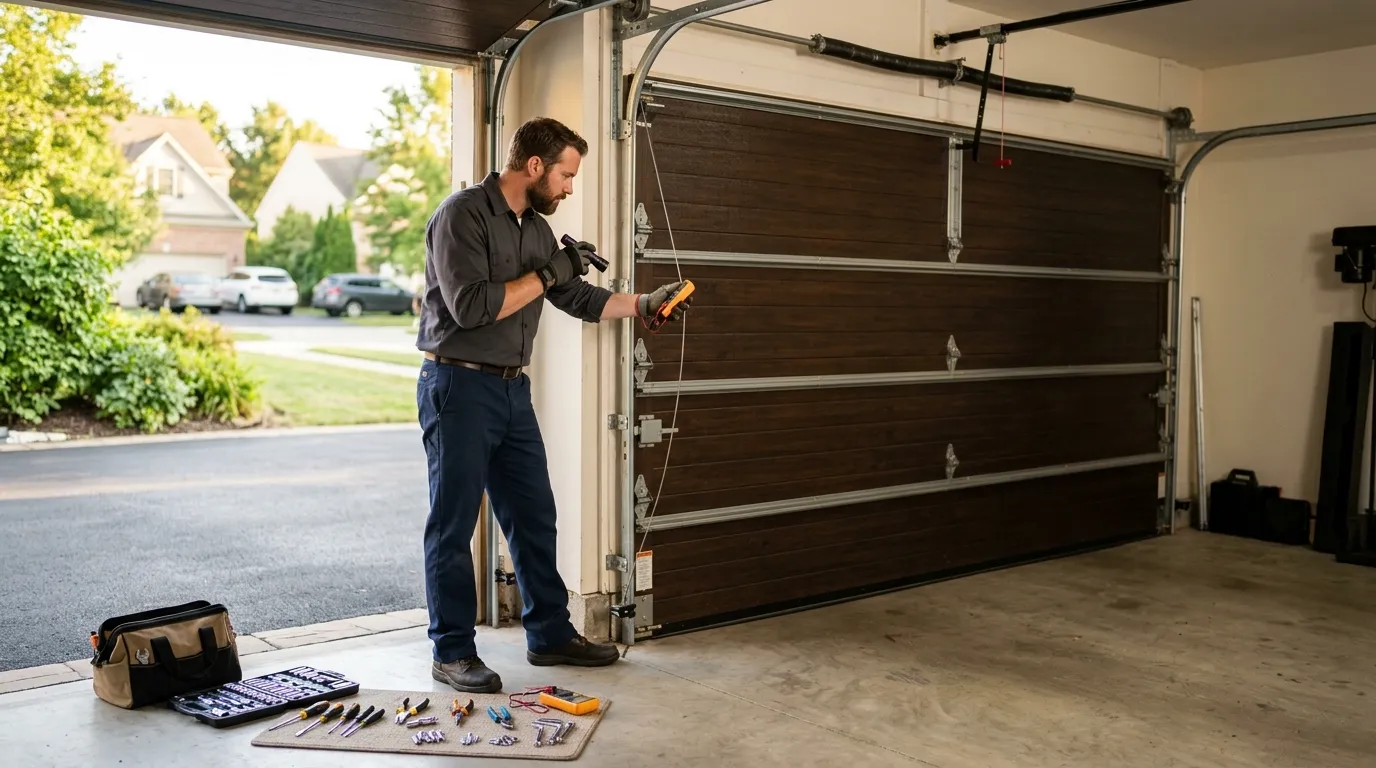
On a house from this era, the tell is usually the track and the springs, not the door skin. Owners call because the door is heavy to lift by hand, or the opener strains and stutters partway up - a sign the torsion spring was sized for the original door's weight, and thirty-plus years of wear have taken the tension out of it.
Some houses still have the older extension-spring setup along the horizontal track instead of a torsion bar over the header, which is a giveaway for original 1970s hardware that's never been touched.
Across the wider service area, most housing stock runs 1960s-70s, so this isn't unique to one block in Oakland Park - but a house built right around 1972 specifically is old enough that the door and opener are very likely both original, or close to it.
If the opener is a chain-drive from decades back, and the door panels are steel with no insulation core, a new install usually means replacing the full assembly at once rather than patching one part, since new panels rarely mate cleanly to old track and old springs anyway.
Job timing
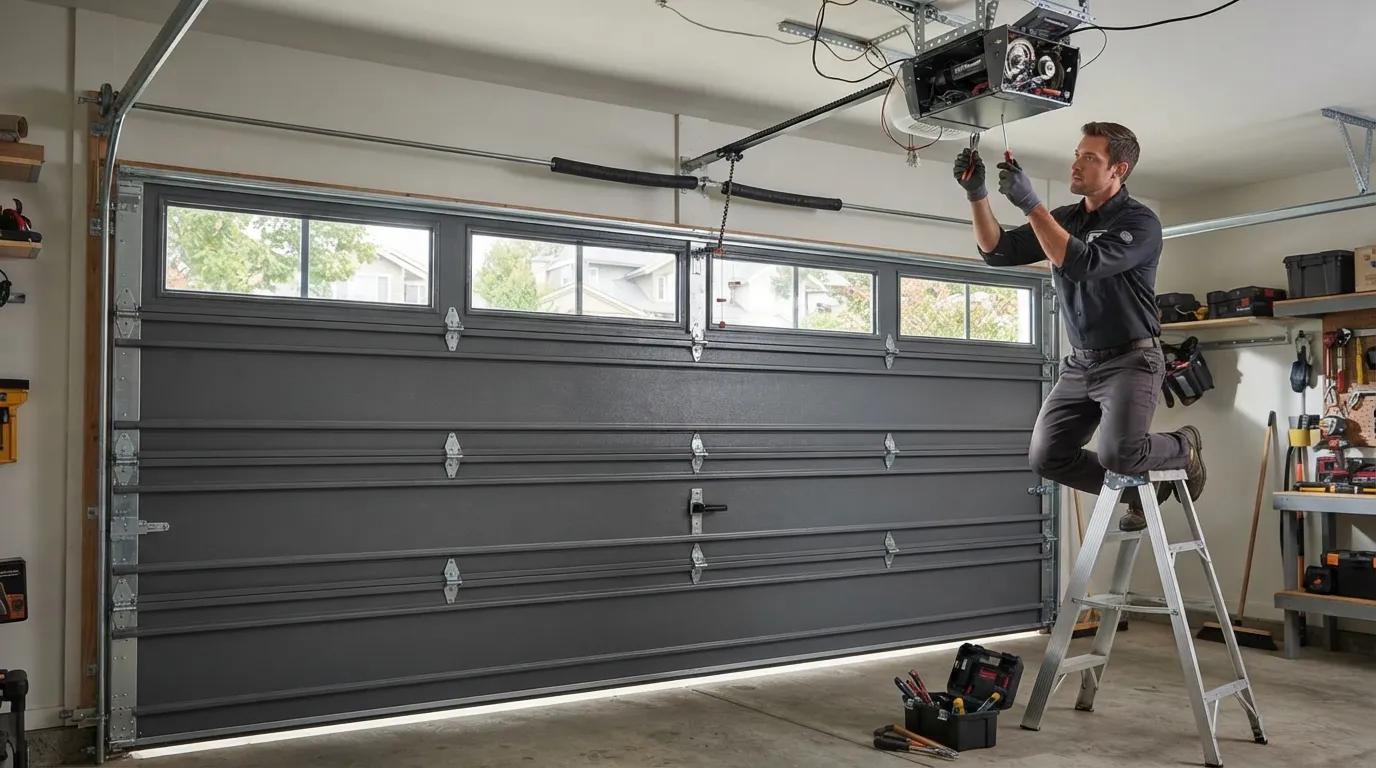
A straightforward new install on a standard double-wide opening runs a controlled few hours once the door is on site - hang the track, set the springs to the right cycle count, mount the header bracket, tie in the opener.
What stretches a job on 1972-era Oakland Park houses is the header itself. Some of these openings were framed for a lighter original door, and a heavier insulated steel or aluminum door now on the market needs a stronger header bracket or added blocking before the springs can carry it safely.
We check that during the measure visit so it doesn't turn into a surprise mid-install. If the header needs reinforcing, that's additional carpentry before the door goes up, and we quote it as a separate line rather than bury it.
We don't stock every door width and style on the truck - most new doors are special order to the size and insulation rating the homeowner picks, so there's a lead time between the measure and the install date that we tell people up front.
Watch-outs
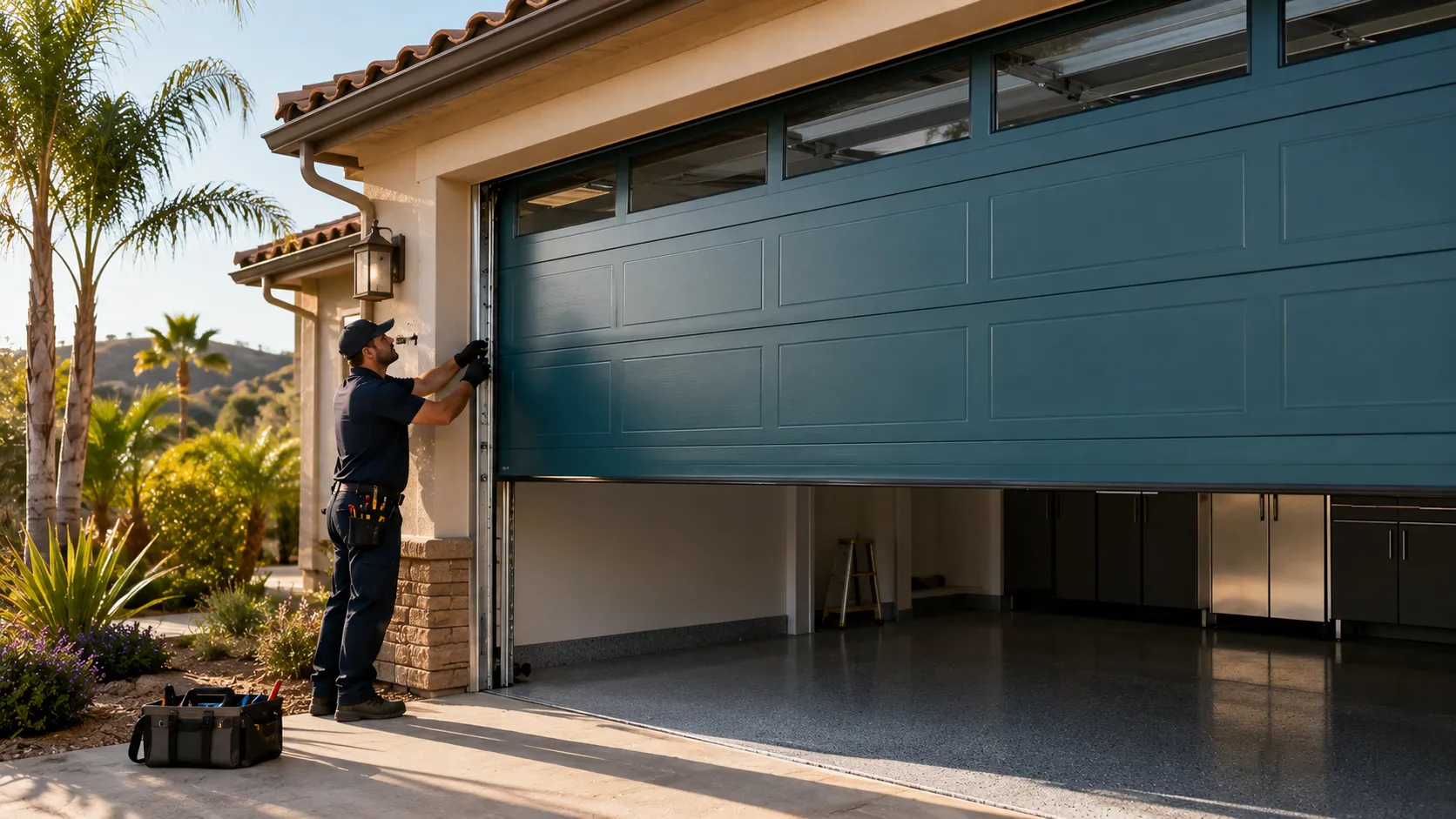
The mistake we see most is a homeowner or a previous contractor putting a new door on old track and calling it done. If the track was set for a lighter 1970s door, the new door's extra weight puts stress on hardware that was never rated for it, and within a year or two the rollers wear unevenly or the track pulls loose from the jamb. New door, same underlying problem.
The other place it goes sideways is skipping the spring recalculation. Springs are sized to the door's weight, and if you reuse the old torsion spring with a heavier new panel, the door won't balance - it'll be hard to lift by hand and the opener will burn out faster carrying the difference. We replace springs as part of a new install rather than reuse them, because the labor to swap them later, after the door's already hung, costs more than doing it right the first time.
Our honest limitation: we don't carry every door style in stock, so an install here is a measure visit followed by an order and a return trip, not a same-day swap.
Questions
A lot of them are, or close to it. With median year built around 1972, plenty of houses in Oakland Park still have their original steel door and the torsion or extension spring hardware from that era. If the opener is an old chain-drive unit, that's usually a sign nothing's been swapped since the house was built.
No. We come from our shop in Delray Beach, about 20 miles south, and new doors are ordered to the size and style the homeowner picks rather than pulled off a shelf. We measure first, quote the door and any header work, then schedule the install once it's in.
Usually not safely. Track and springs on a 1970s house were sized for the original door's weight, and most new doors are heavier or built differently. We replace the springs and check the track and header as part of a new install rather than mount a new door on old hardware.
The install itself is a controlled few hours for a standard opening. What adds time is header reinforcement if the framing wasn't built for a heavier modern door, which we check during the measure visit so it's priced before we start, not discovered halfway through.
Explore more
Ready when you are
Delray Beach Garage Door Pros repairs and installs garage doors, springs and openers in Delray Beach, FL and the surrounding area.