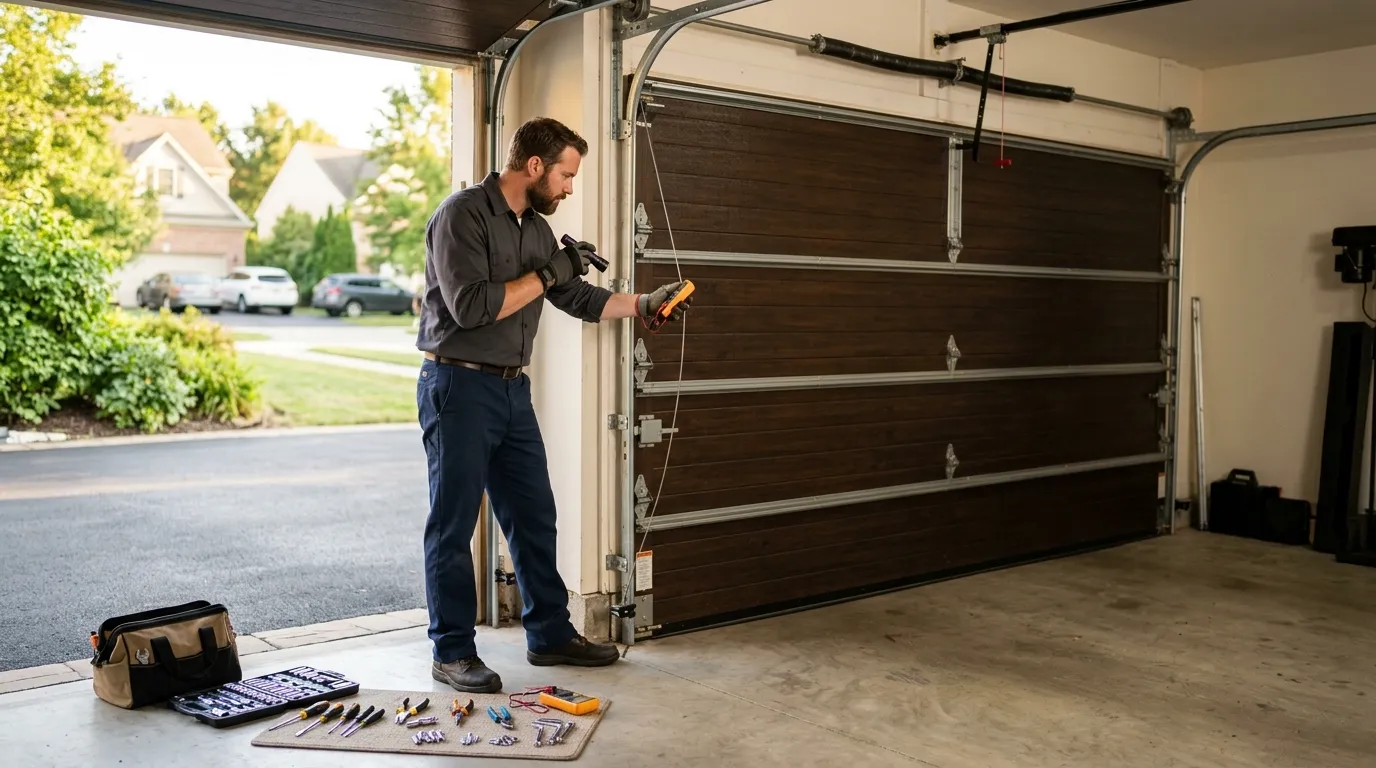
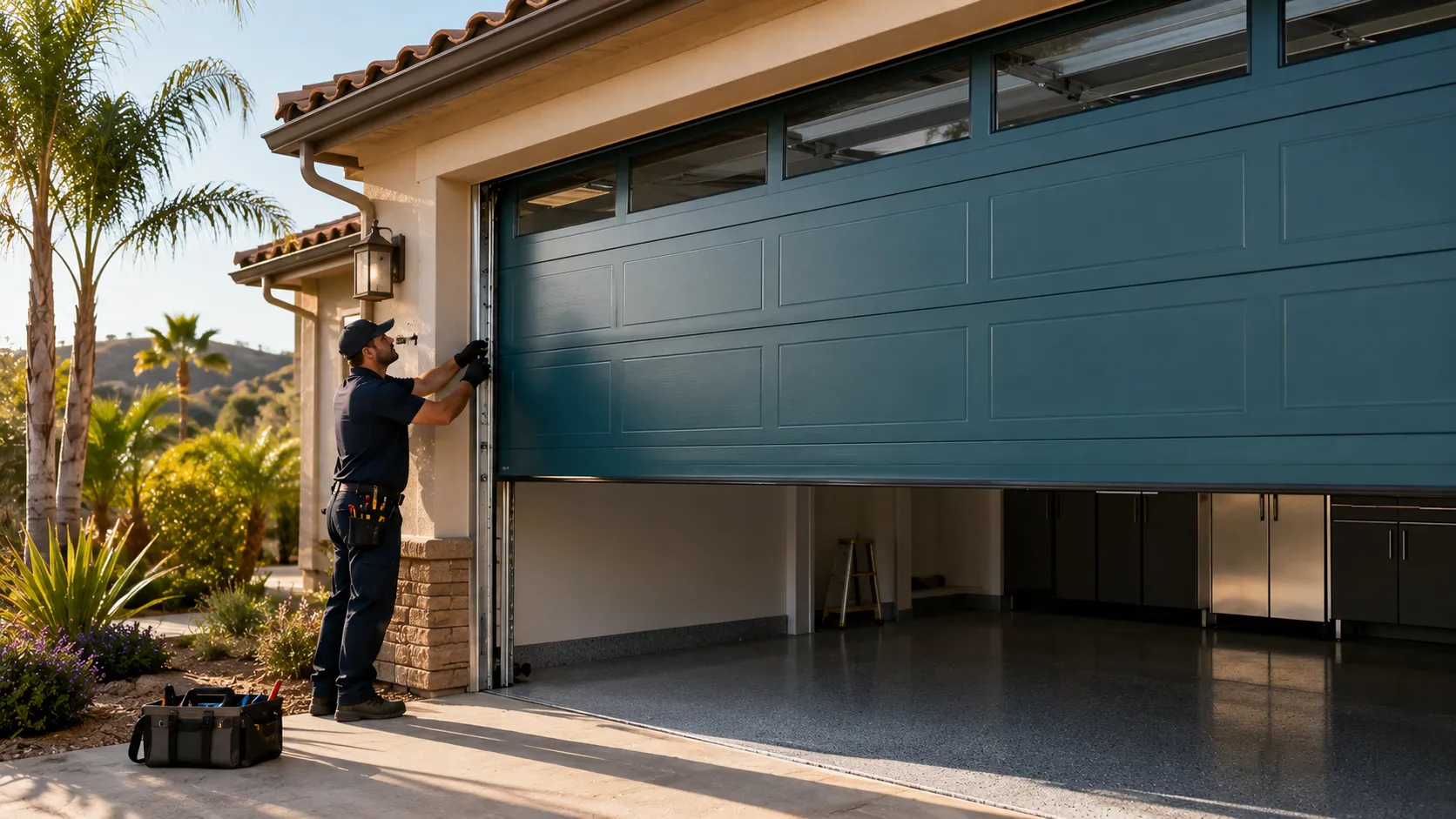
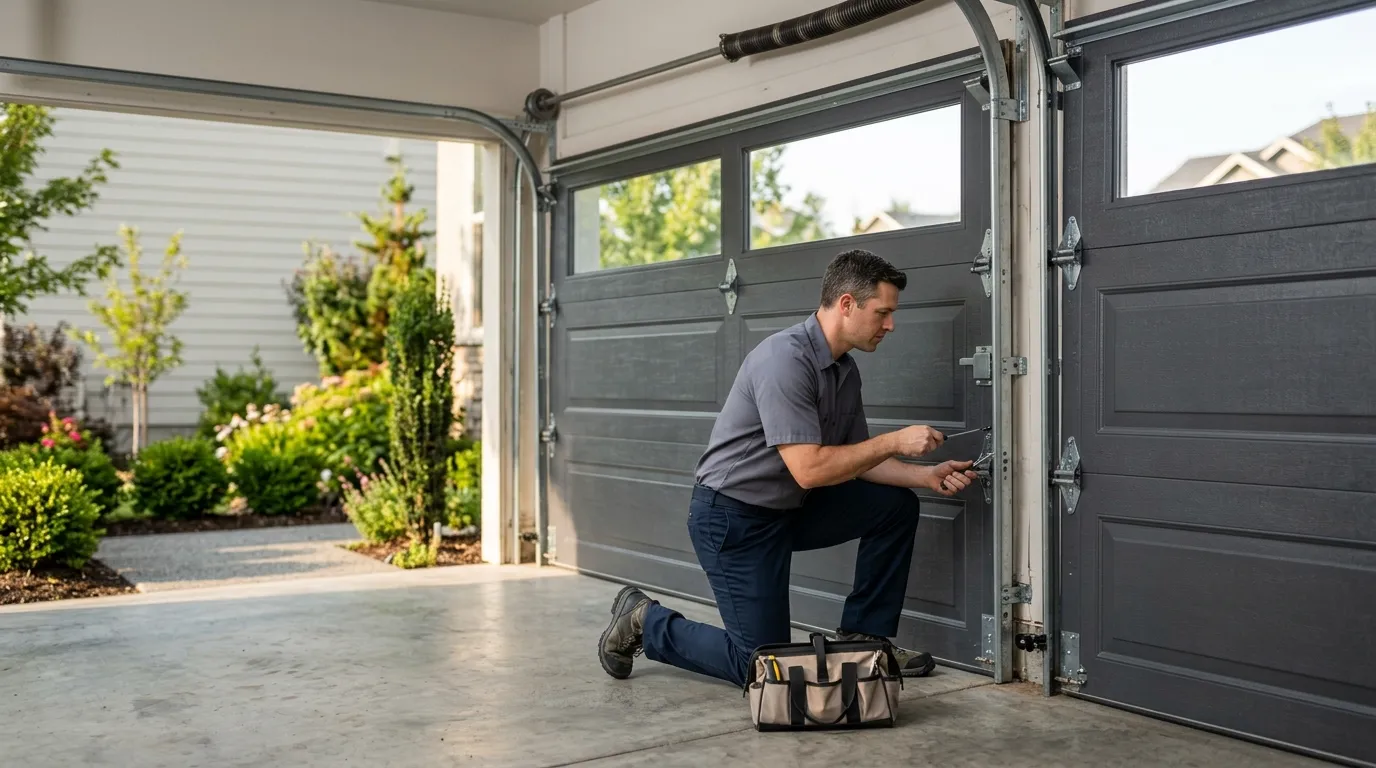
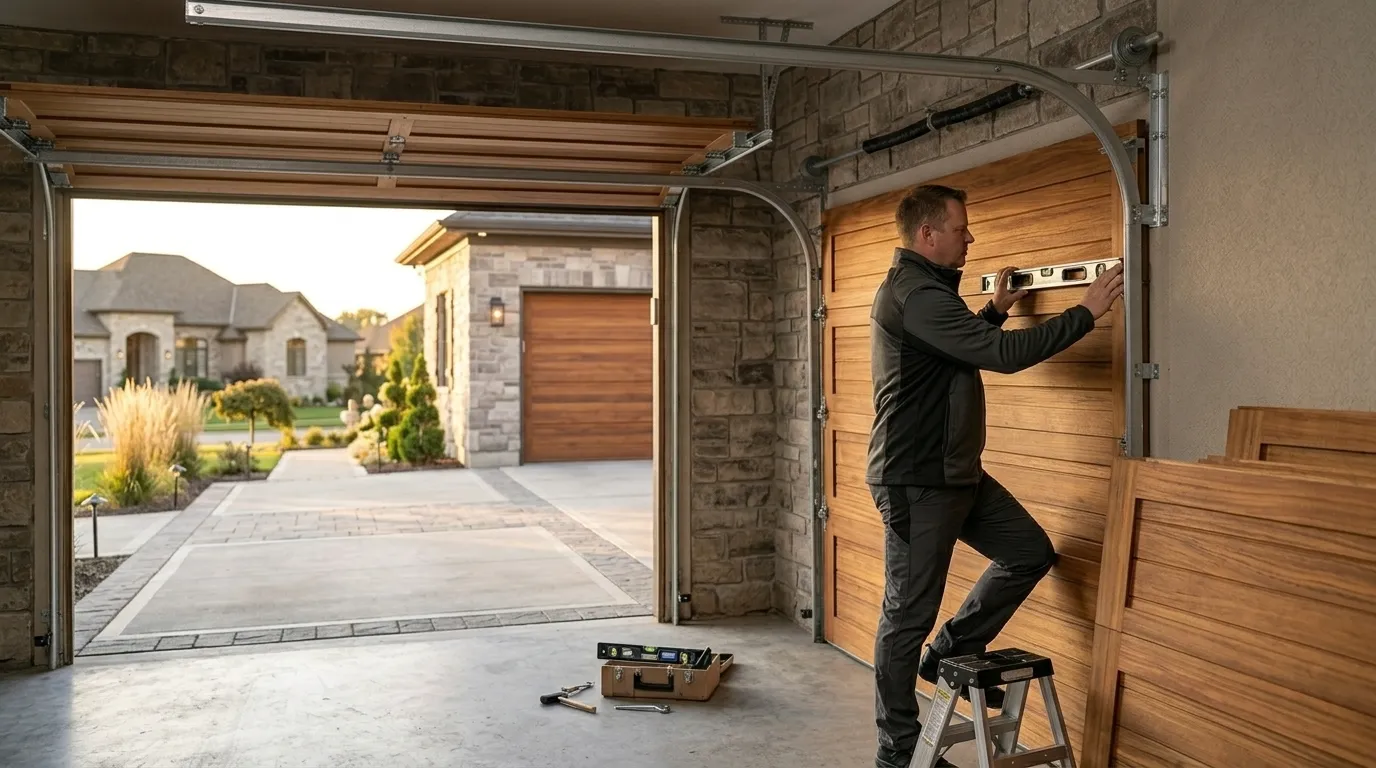
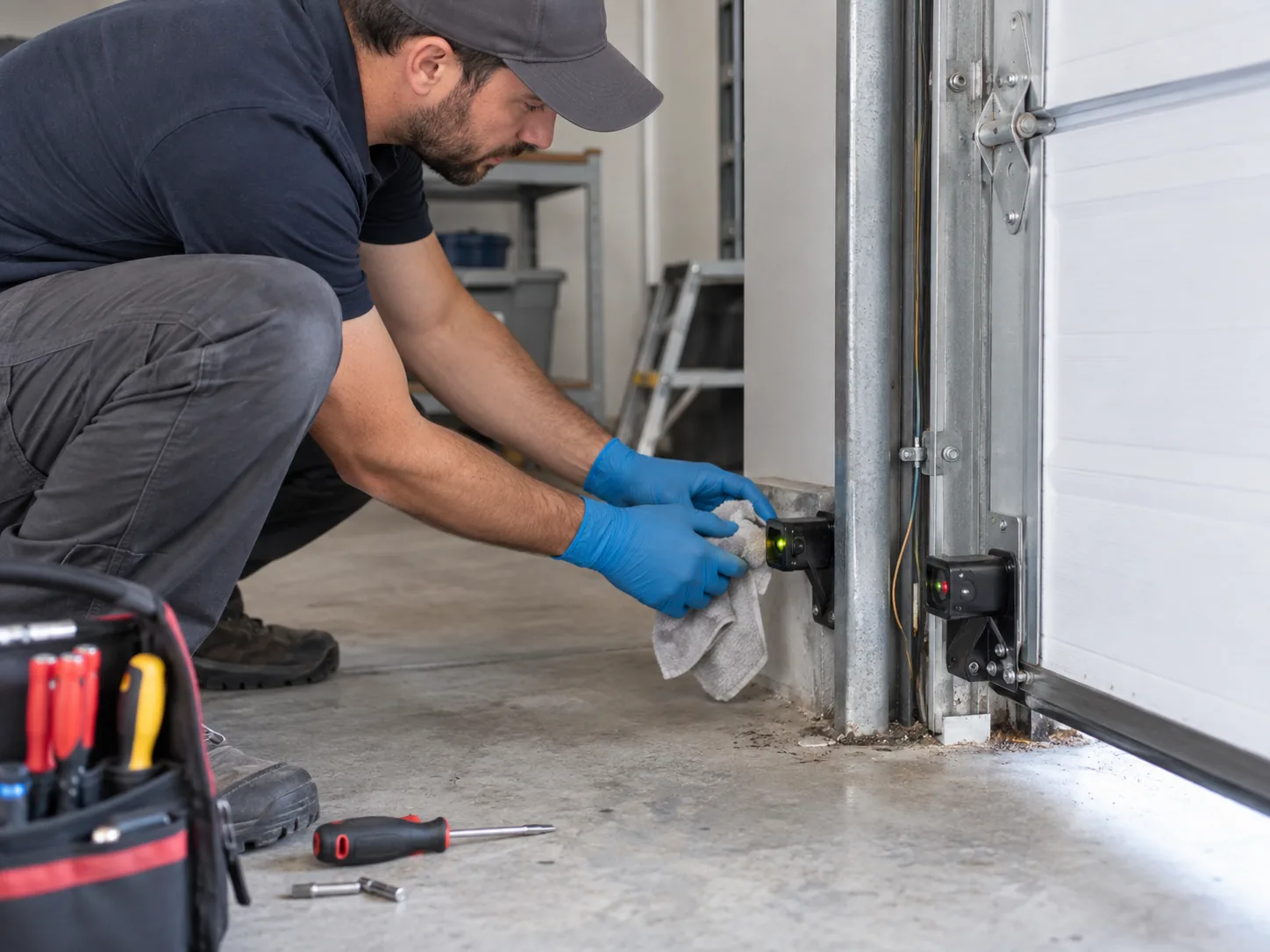
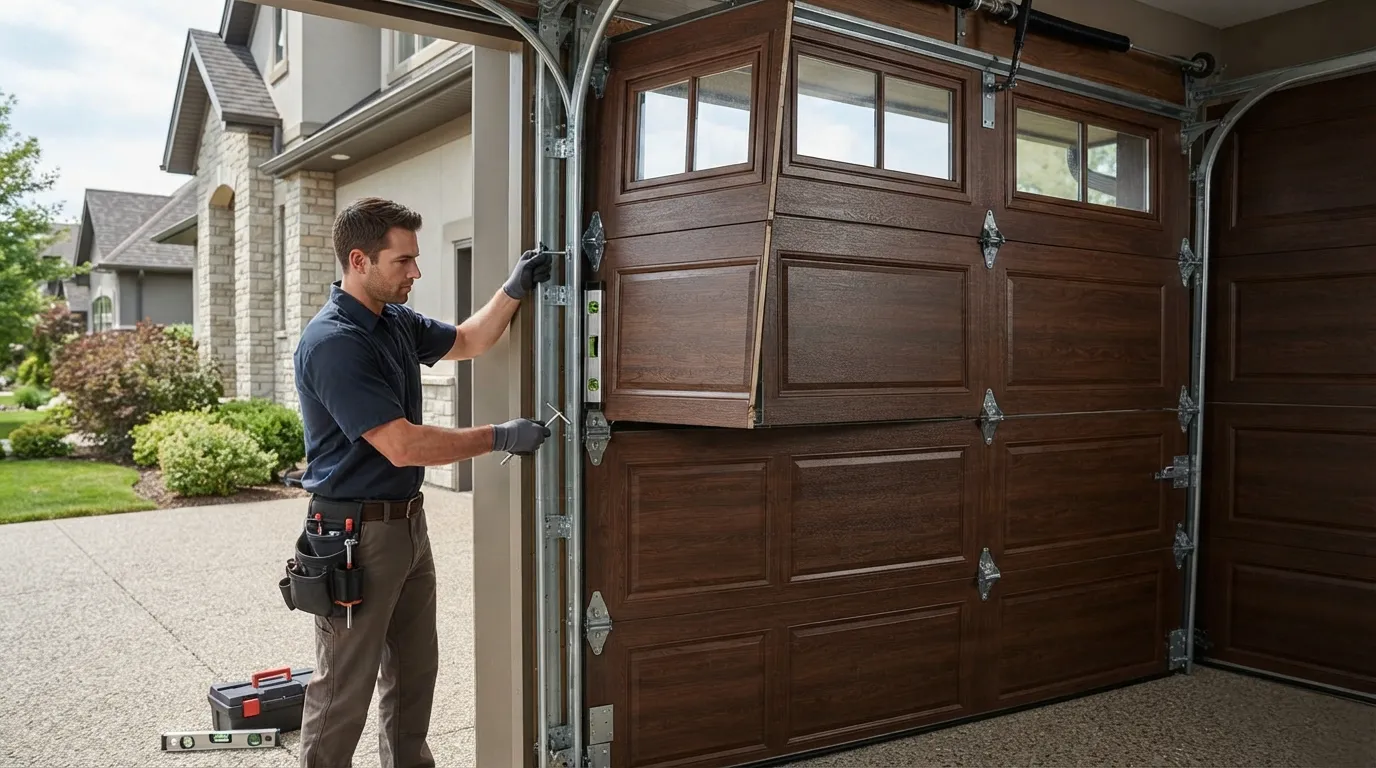
The repair-or-replace call gets harder in a market where median income is $68,424. A homeowner here isn't always in a position to drop the cost of a full replacement on a door that's otherwise structurally sound, so we lean toward repair when the track, frame, and panels are still square - even on a door built back in 1972.
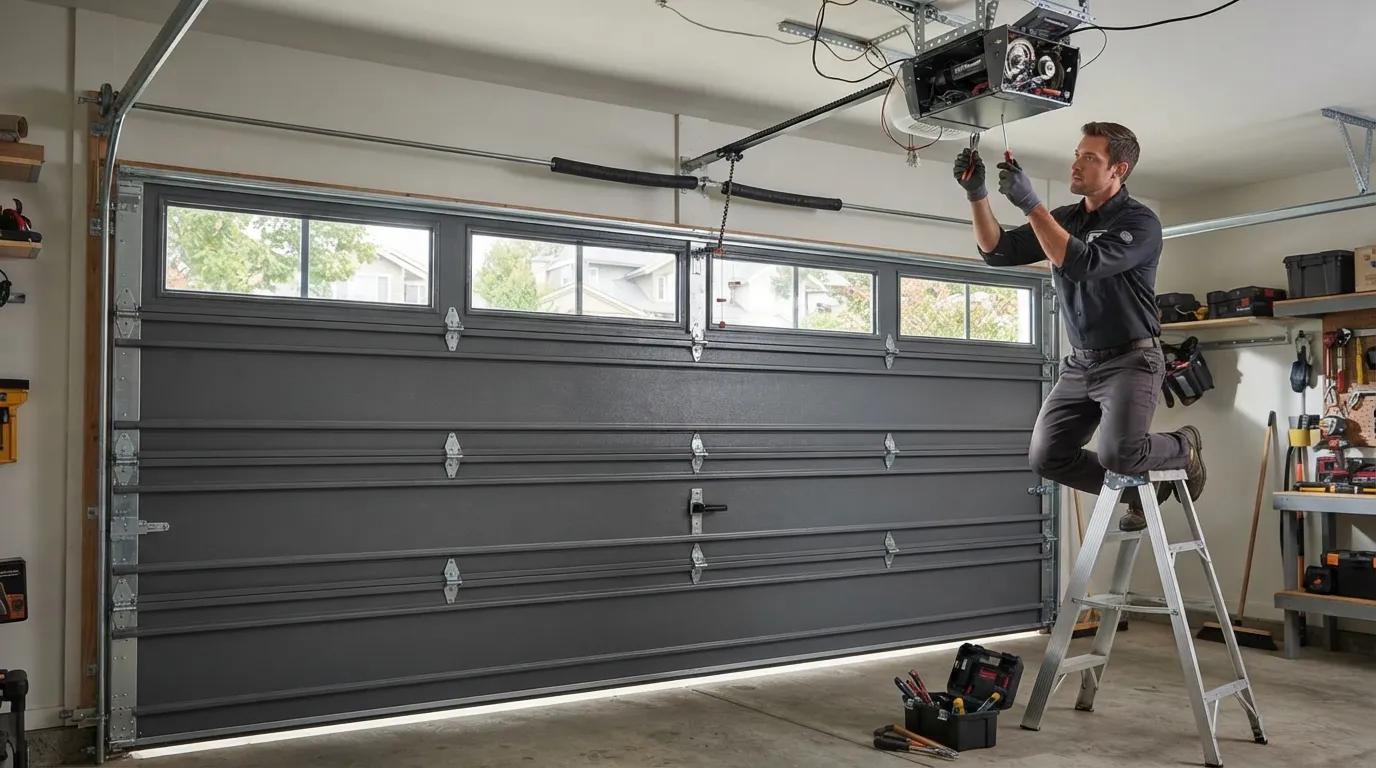
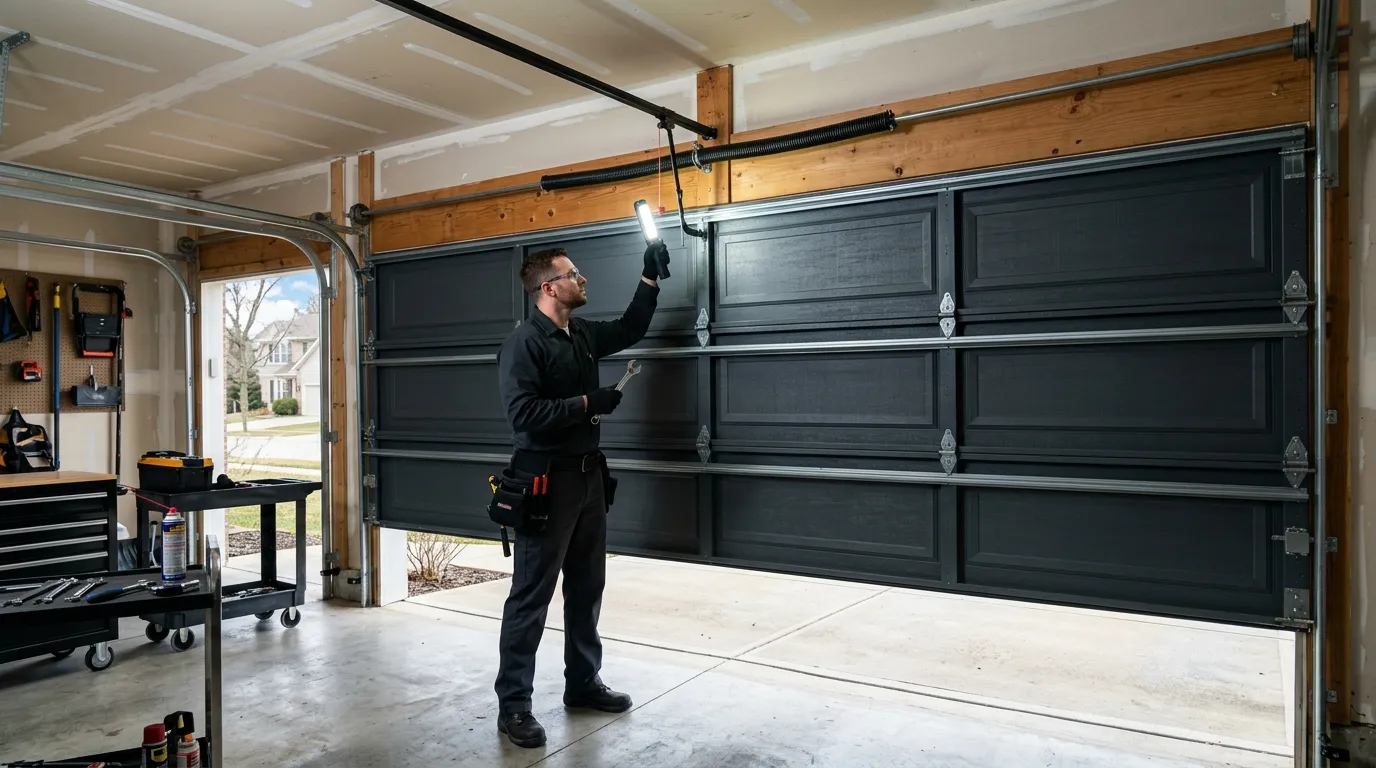
Where it goes wrong is when someone patches a symptom instead of the cause. Replacing a snapped cable without checking the pulley it ran over just buys a few more months before the next snap. On a door this age, we check the whole run - springs, cables, pulleys, hinges - in one visit, because piecemeal fixes on old hardware cost more over two years than one thorough repair does up front.
The area's mild temperate climate is actually a point in favor of repair over replacement here - there's no severe freeze-thaw or hurricane-grade wind load code forcing an upgrade the way there might be in a harsher climate zone. That said, we won't stretch a repair past the point where the door is safe to operate. If the torsion tube itself has fatigued, that's a replace, not a patch, regardless of the climate being easy on the rest of the hardware.