
Standard sectional assembly
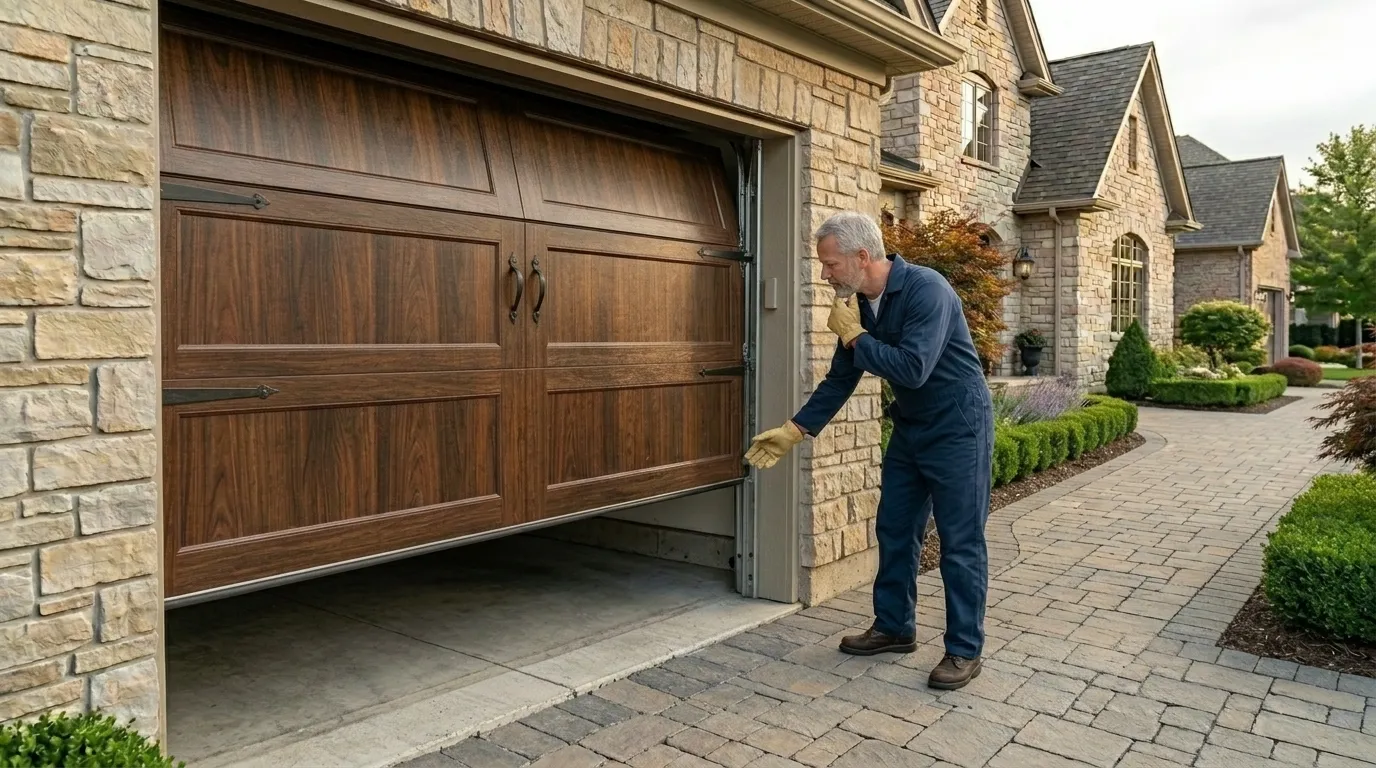
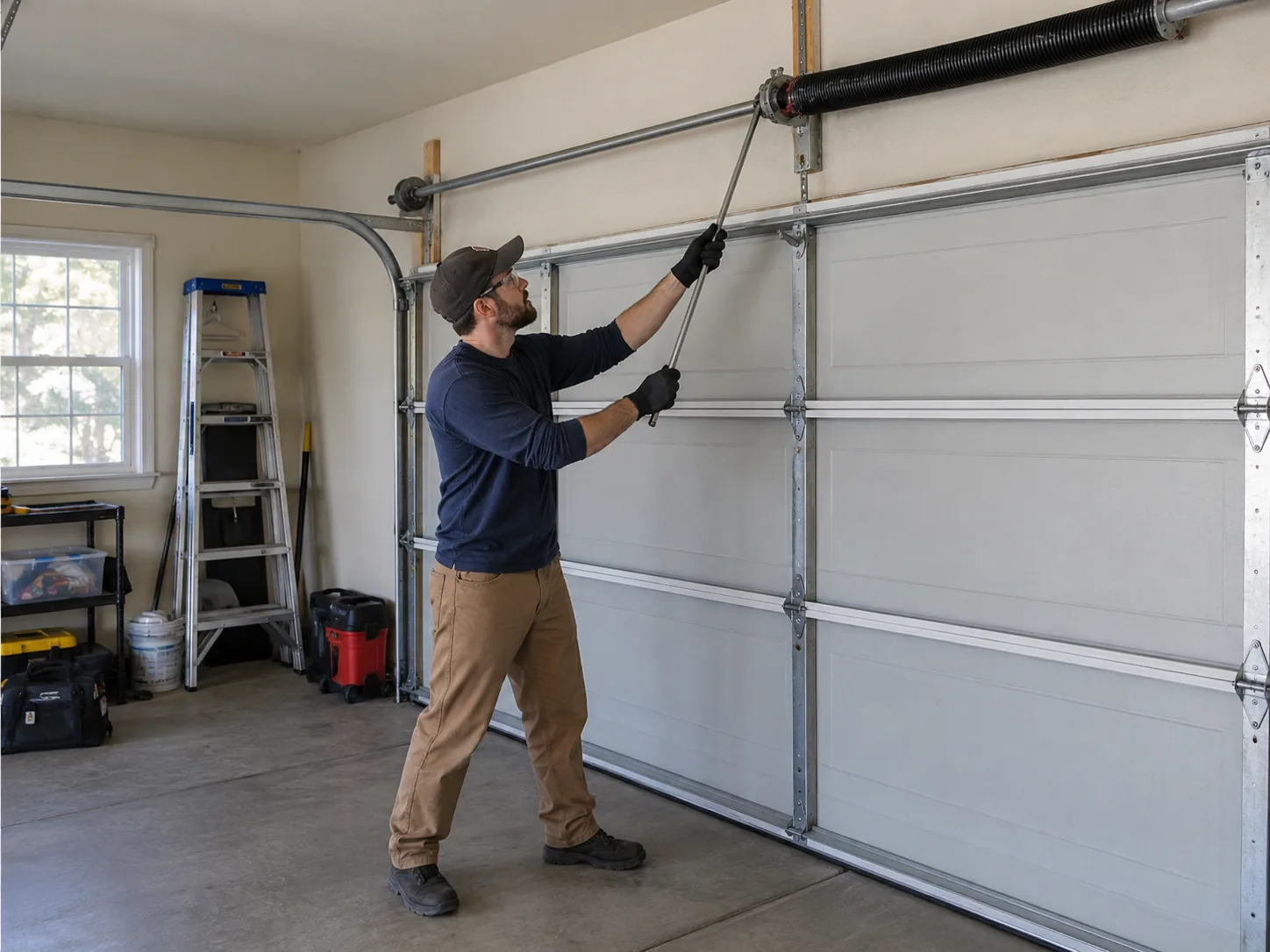
What you've got is a steel sectional door, usually a double at 16 feet or a single at 8 or 9, hung on torsion springs rather than the older extension-spring drums.
Coconut Creek, Delray Beach
Coconut Creek homes mostly date to the late 1980s, newer stock than much of this service area. Maintenance here targets that newer hardware, not 1960s parts.
On the truck
Start with what the door actually is here. Coconut Creek's median build year is 1989, which puts most garage doors in this town well past the older wood and single-panel doors still common in the 1960s-era neighborhoods elsewhere in this service area.
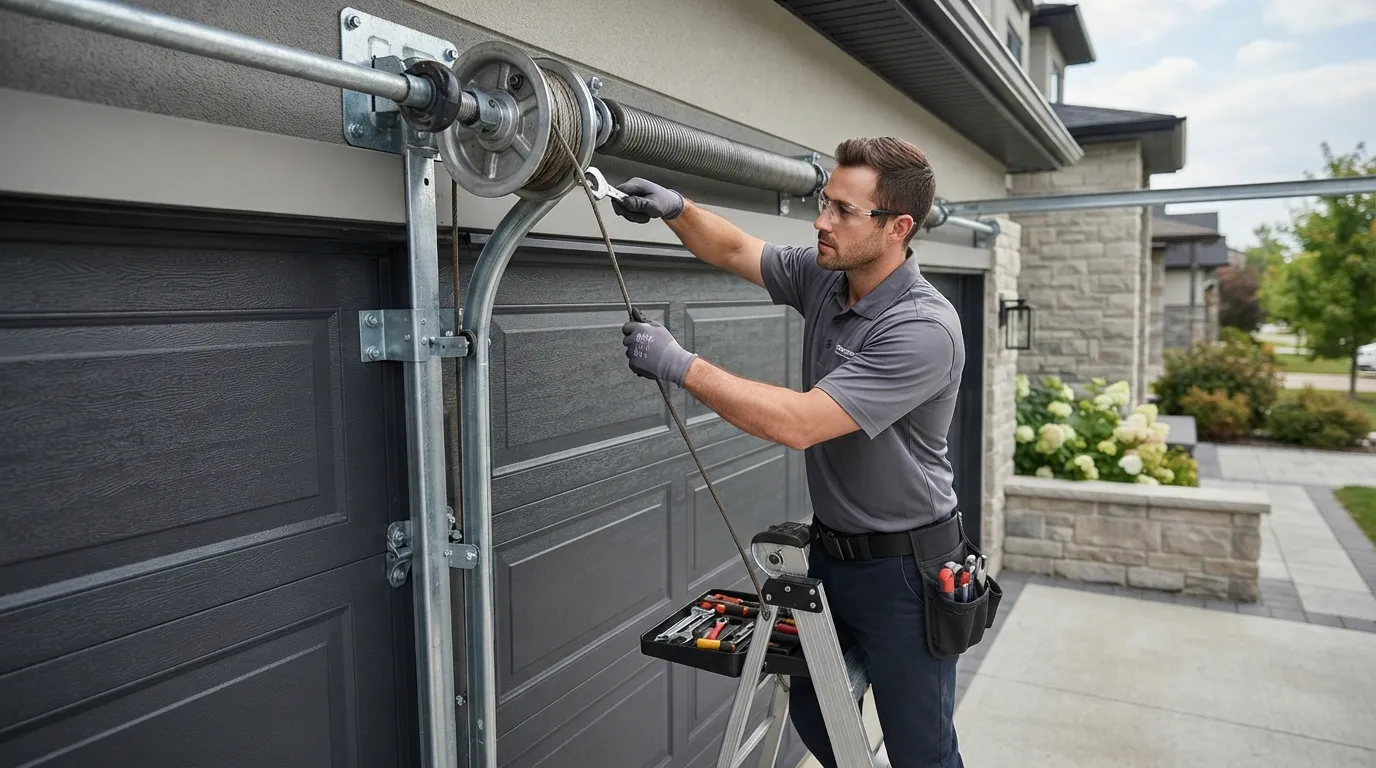
What you've got is a steel sectional door, usually a double at 16 feet or a single at 8 or 9, hung on torsion springs rather than the older extension-spring drums.
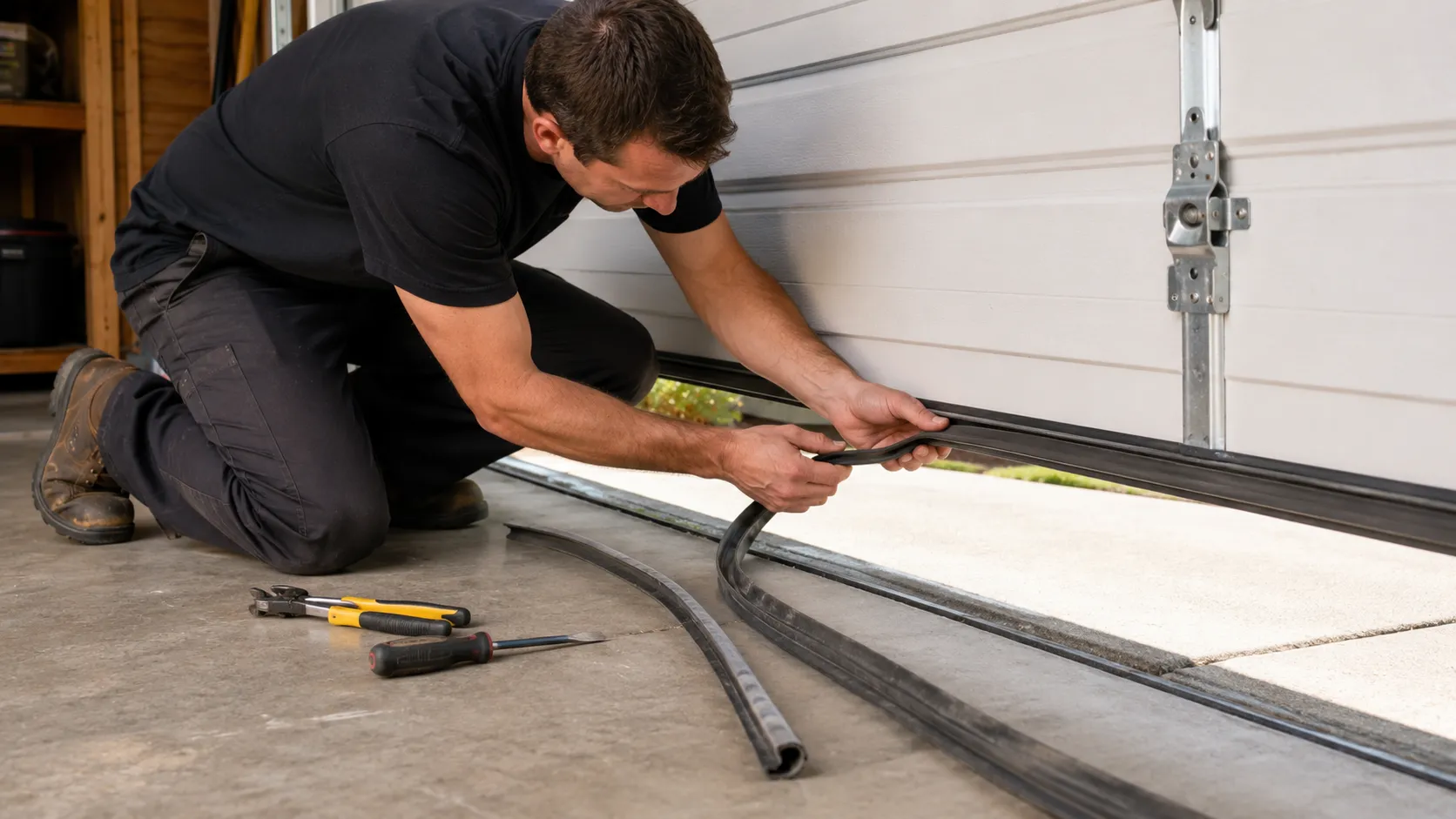
That's the standard setup once builders moved past the 1970s stock covered under F1's wider 1965-2005 range. We carry torsion springs sized for that door weight, steel and nylon rollers, and standard lift cable in the truck, because that's what a 1989-and-newer torsion setup needs most often.
What we don't always have on the truck is parts for the older extension-spring jobs still found in the 1960s pockets of this service area - those get ordered ahead of the visit, not carried as standard stock. If your door here is original to a late-80s or 90s build, the odds are good we roll up with what the job needs already on board.
Watch-outs
A door built around 1989 is now pushing 35 years old, and the parts that fail first aren't the springs - springs on a well-adjusted torsion door can run a long time.
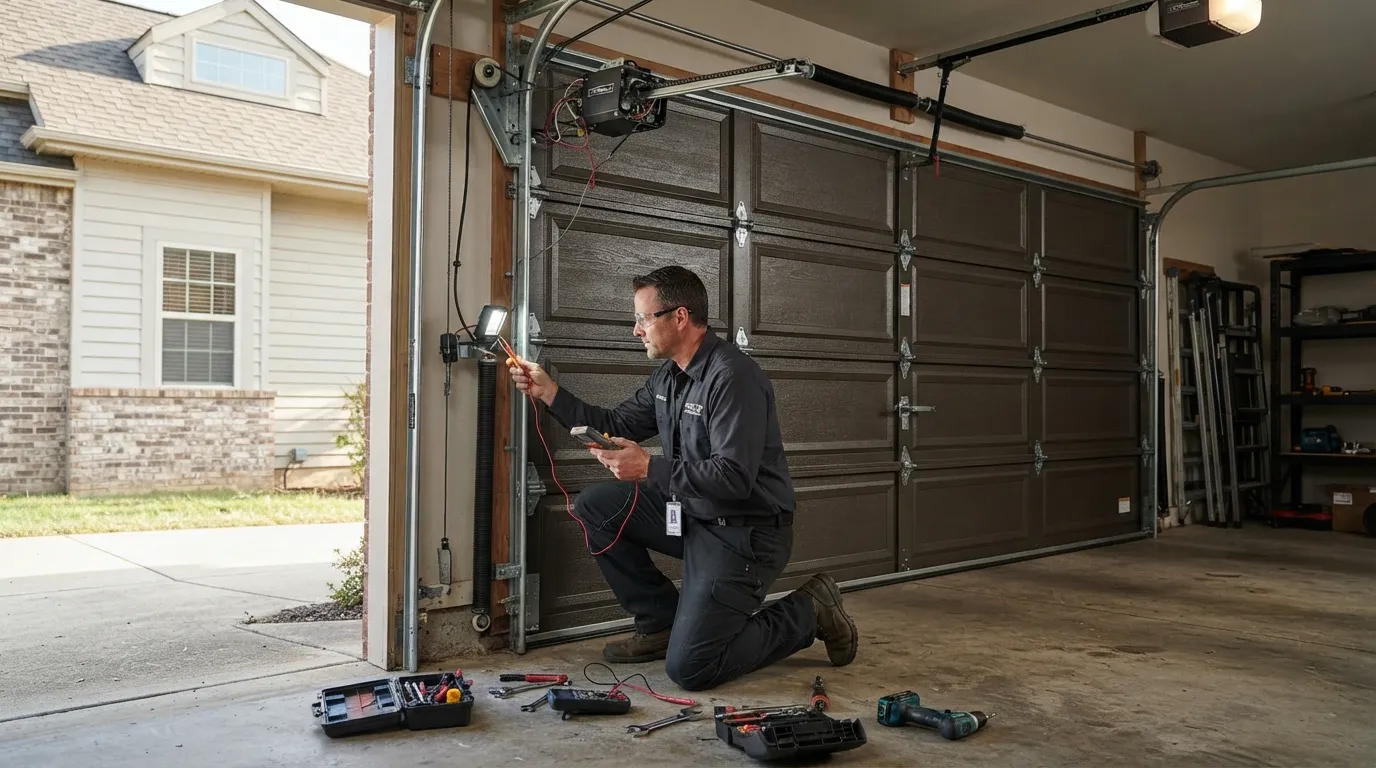
It's the small stuff: nylon rollers that have worn oval instead of round, hinges with elongated screw holes from decades of racking, and the photo-eye safety sensors near the floor that came standard on openers from that era and drift out of alignment over time. The mild, humid climate this part of the service area sits in (per F3) doesn't help.
It's not the freeze-thaw damage you'd get up north - it's steady moisture working on unprotected steel hardware, especially fasteners and spring coils that were never coated for it. On a 35-year-old door, corrosion at the bottom bracket or the center hinge is more often what stops the job cold than a snapped spring.
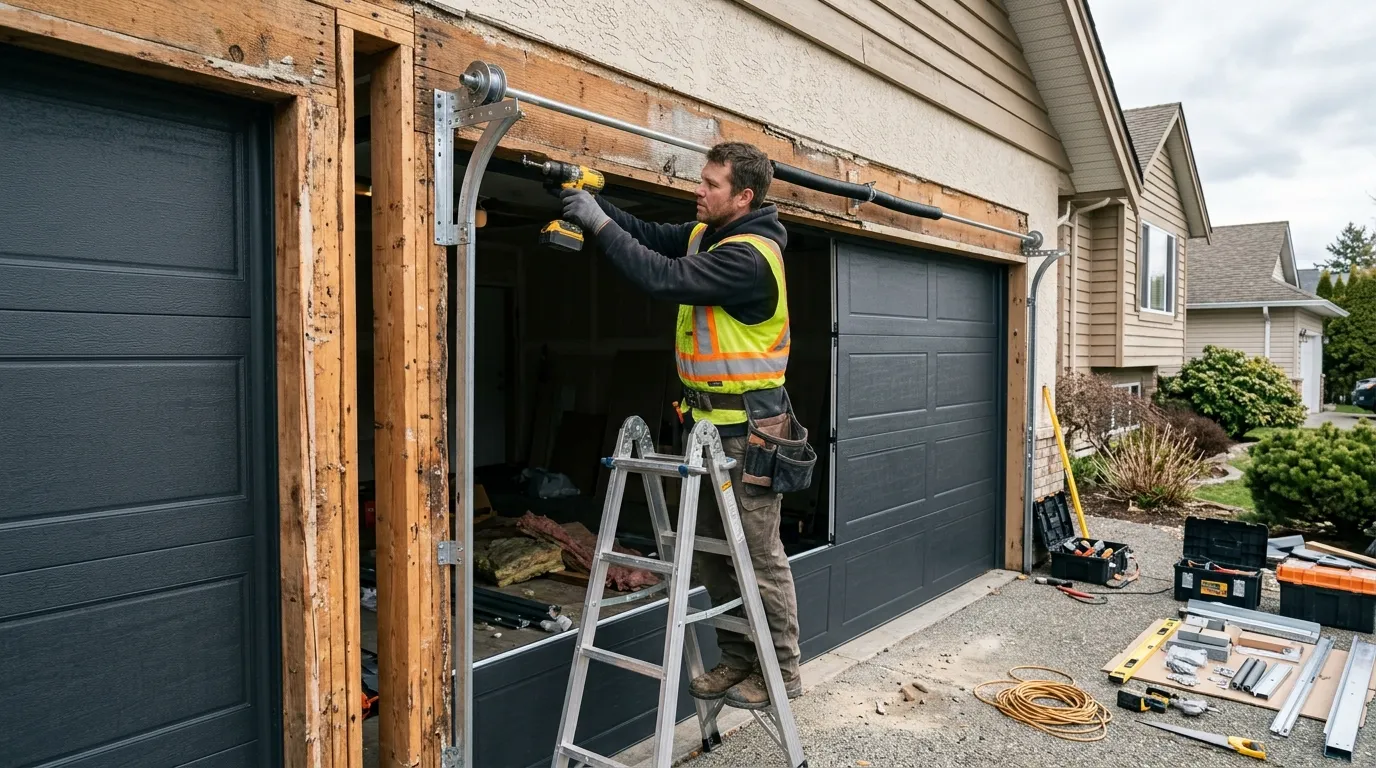
Here's the honest limit: if the track is bowed or the bottom section has rusted through, a maintenance visit isn't going to fix that. At that point you're looking at panel or door replacement, not a tune-up, and we'll say so on site rather than force a fix that won't hold.
Warning signs
On a door of this age and build, the failure rarely announces itself as a full stop. It shows up as the opener straining on the last foot of travel, a door that reverses right after the floor without any obstruction, or a grinding sound at one specific point in the track every time it runs. Those are worn rollers and drifted photo-eyes doing exactly what they do at 30-plus years old.
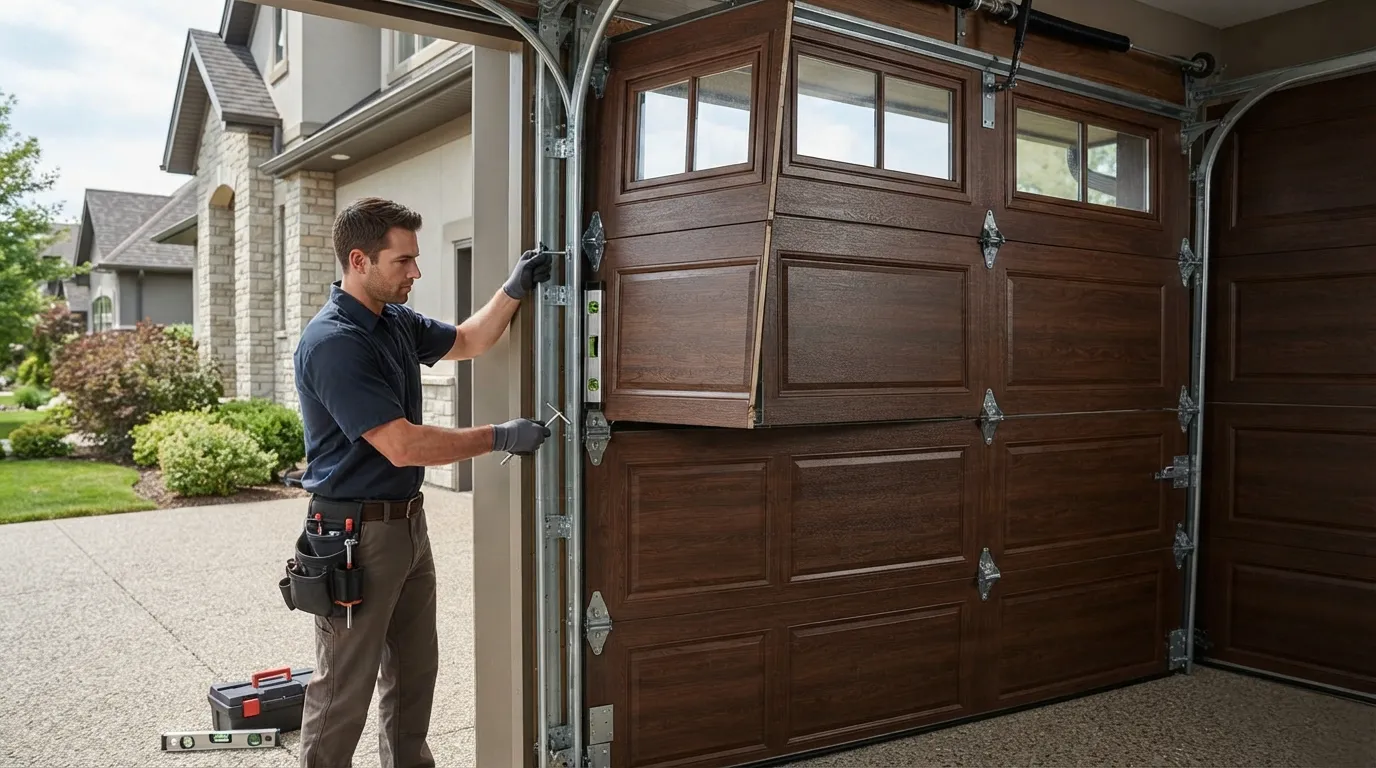
Sometimes it's quieter than that - a door that closes slightly crooked, dropping faster on one side than the other, which usually means one torsion spring has lost tension relative to its pair even though neither has broken outright. On a door built to 1989-era hardware standards, that kind of slow drift is common enough that catching it before the spring actually snaps is most of what a maintenance visit is for.
Job timing
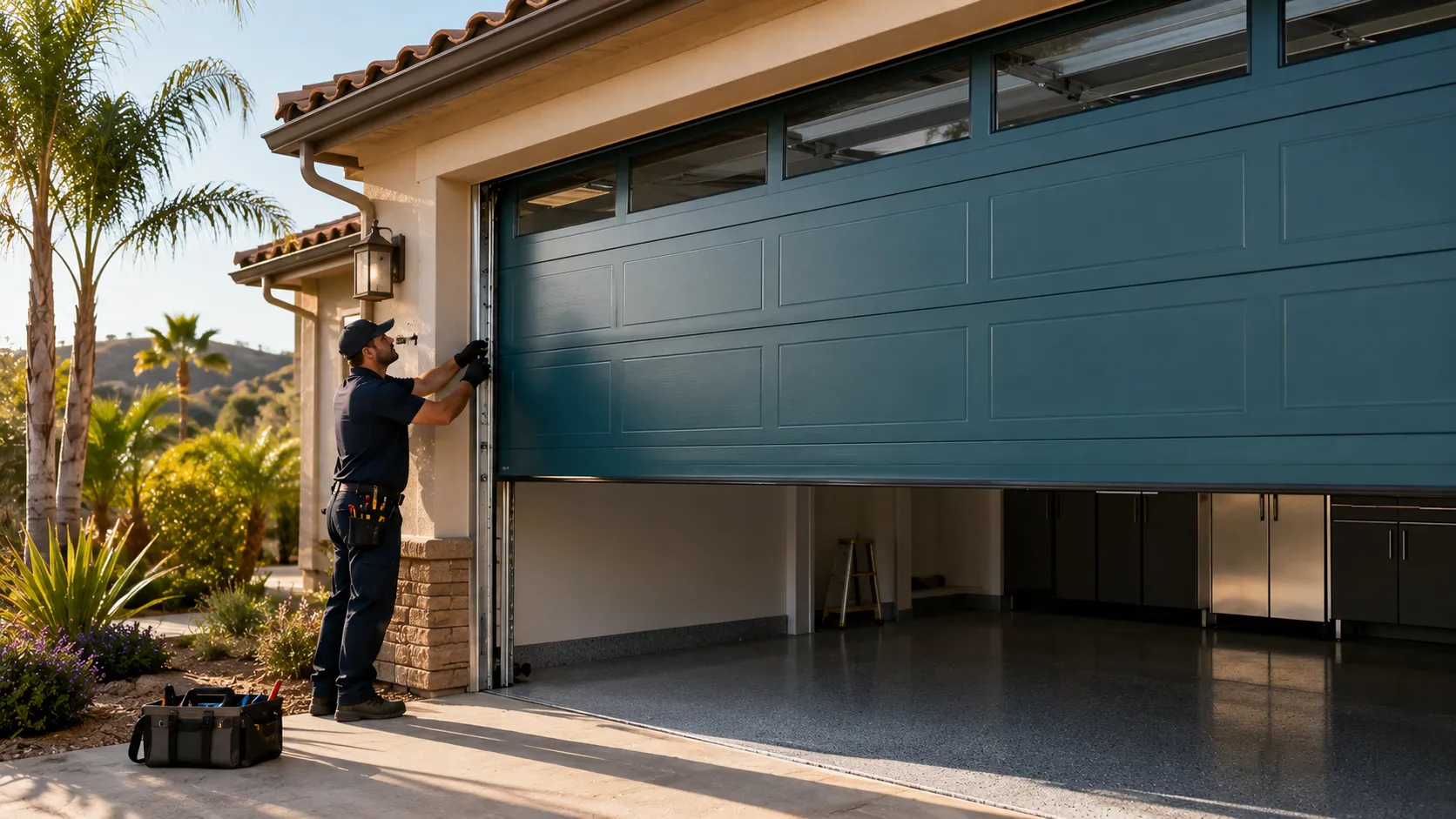
Coconut Creek sits about 13 miles out from Delray Beach, farther than several other stops on this company's route, so the drive itself is part of scheduling here in a way it isn't for closer towns.
Once on site, how long the actual work takes depends on the door's condition more than anything else - lubrication, hardware inspection, and a balance check on a torsion door that's been kept up don't take long.
A door that's been ignored for years, with rusted rollers and a misaligned track, takes longer because those parts need adjusting or swapping before the door can be called balanced again. We don't quote a fixed on-site time here because it varies too much door to door, and guessing at it would be worse than just telling you it depends.
What we can say is that the 13-mile trip out means it helps to have maintenance visits scheduled rather than treated as a same-day call, so the trip gets used well once the truck's out here.

Pricing
There's no flat number to give here, and stating one without knowing your door's condition would be a guess dressed up as a fact. Cost on a maintenance visit tracks with what the hardware needs once it's inspected - a straightforward lube-and-adjust on a well-kept 1989-era torsion door costs less than a visit where rollers, hinges, or a spring need replacing outright.
This service area runs a median household income around $86,644 across roughly 191,483 households, with about 69,643 of those owner-occupied, and Coconut Creek's own household count sits near 24,107. None of that sets a price - it just means this is a market where deferred maintenance on a 35-year-old door is common, because a lot of these doors have simply never had a tune-up since they were installed. The real cost driver is how long the hardware's gone unchecked, not the town it's in.
Questions
Most homes here were built around 1989, based on the area's median build year, so the original garage door hardware on an unrenovated house is pushing 35 years old. That's newer than the 1960s-and-70s stock common elsewhere in the wider service area, but it's still old enough that rollers, hinges, and spring tension are worth checking.
Not as standard stock. Coconut Creek's housing is mostly late-1980s and newer, which means torsion springs, not the older extension-spring drums. Torsion parts are what we carry on the truck for this town. If a specific house here still has an older extension setup, that part gets ordered ahead rather than pulled from standard stock.
Coconut Creek is about 13 miles out, farther than several closer stops on this company's route. It doesn't change what the work involves, but it's part of why maintenance visits here work better scheduled ahead rather than requested same-day.
Often, yes - an uneven close on a torsion door usually means the two springs have drifted out of balance with each other, and rebalancing is standard maintenance work. If the unevenness comes from a bowed track or a rusted-through bottom panel instead, that's a repair or replacement job, and we'll tell you that on site rather than force a tune-up that won't hold.
Explore more
Ready when you are
Delray Beach Garage Door Pros repairs and installs garage doors, springs and openers in Delray Beach, FL and the surrounding area.